











From forest management to Net Zero
Text and images Egger
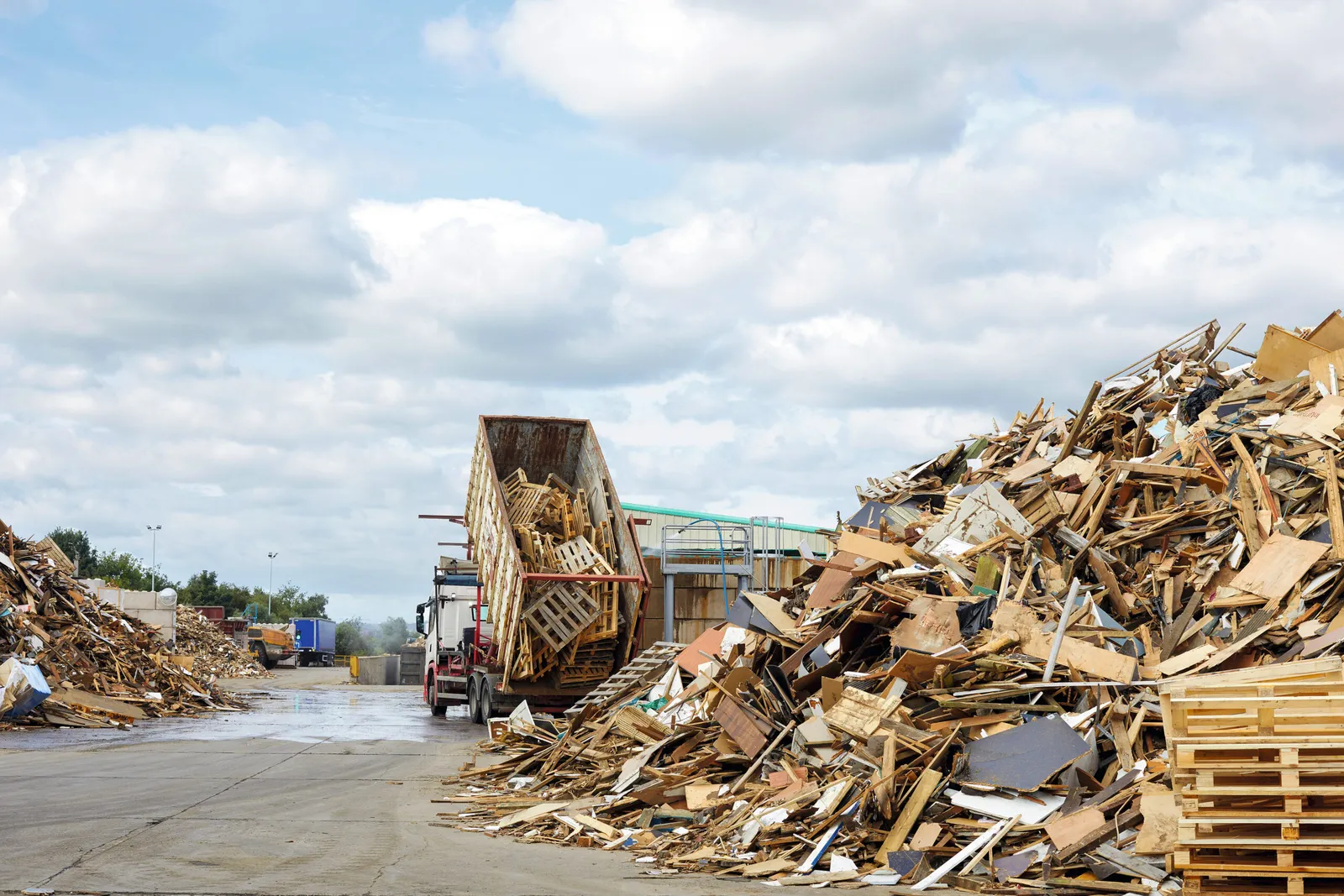
Sustainability is not a trend, but a necessity. EGGER is a pioneer in responsible business practices in the timber and construction sector. The EGGER Group is committed to minimising its environmental footprint and taking social responsibility. This involves not only reducing energy consumption, but also responsible sourcing, the circular economy and safe working conditions. With specific targets for 2030 and a strong commitment to the United Nations Sustainable Development Goals (SDGs), EGGER shows that sustainability and economic growth can go hand in hand.
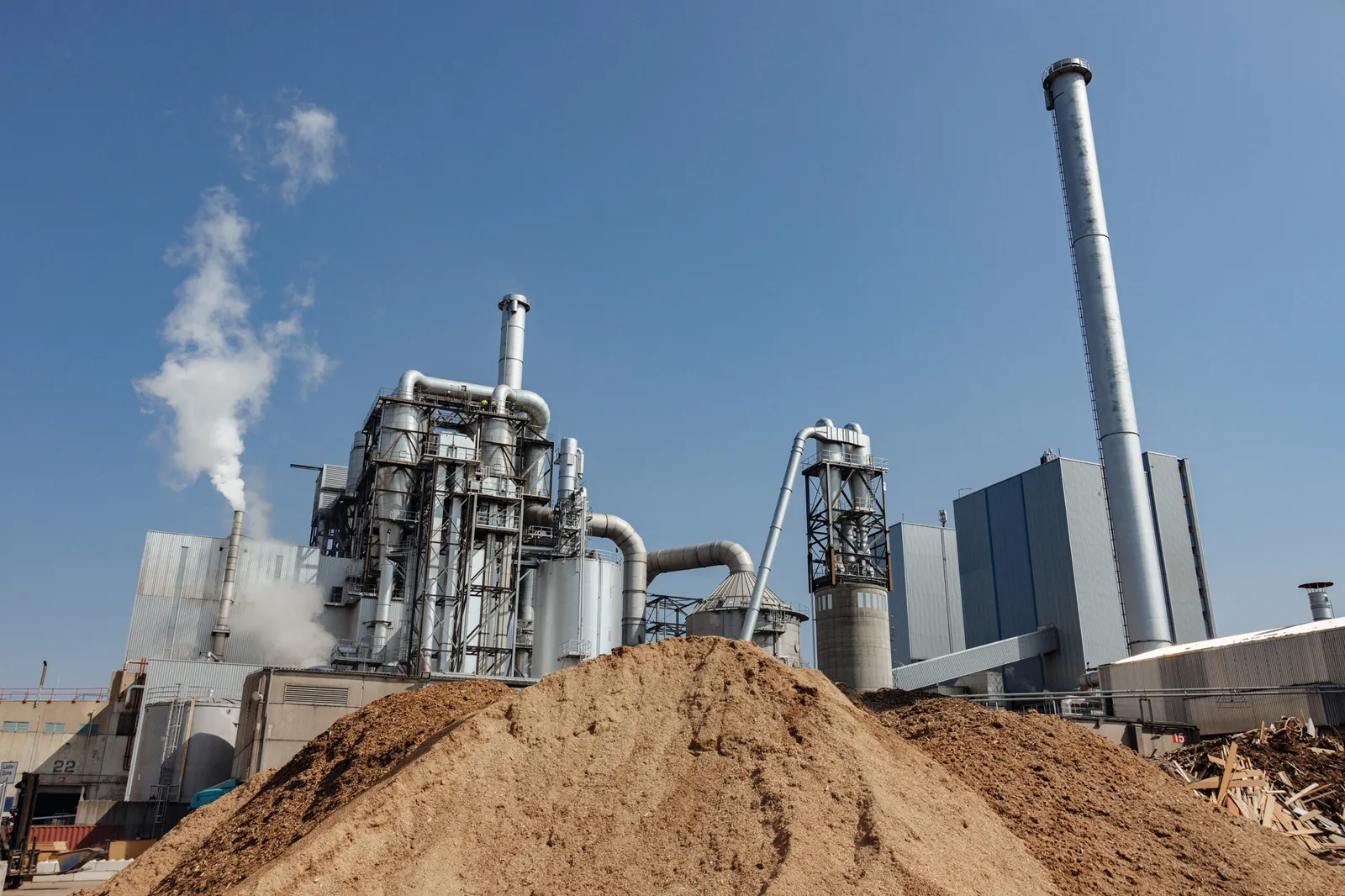
The production of wood-based materials is energy-intensive, but EGGER is taking major steps to make its energy consumption more sustainable. In 2023, total energy consumption was 9,270 GWh, with renewable sources already meeting 78 per cent of heat demand. The share of renewable energy in electricity consumption has also risen to 27 per cent.
EGGER has set clear climate targets for 2030:
- A thirty per cent reduction in direct emissions from its own plants (Scope 1)
- A forty per cent reduction in indirect emissions from purchased energy (Scope 2)
- A ten per cent reduction in indirect emissions across the supply chain (Scope 3)
Through strategic investment and process optimisation, EGGER is taking step-by-step action towards climate-neutral production.
Sustainable forest management: local and transparent
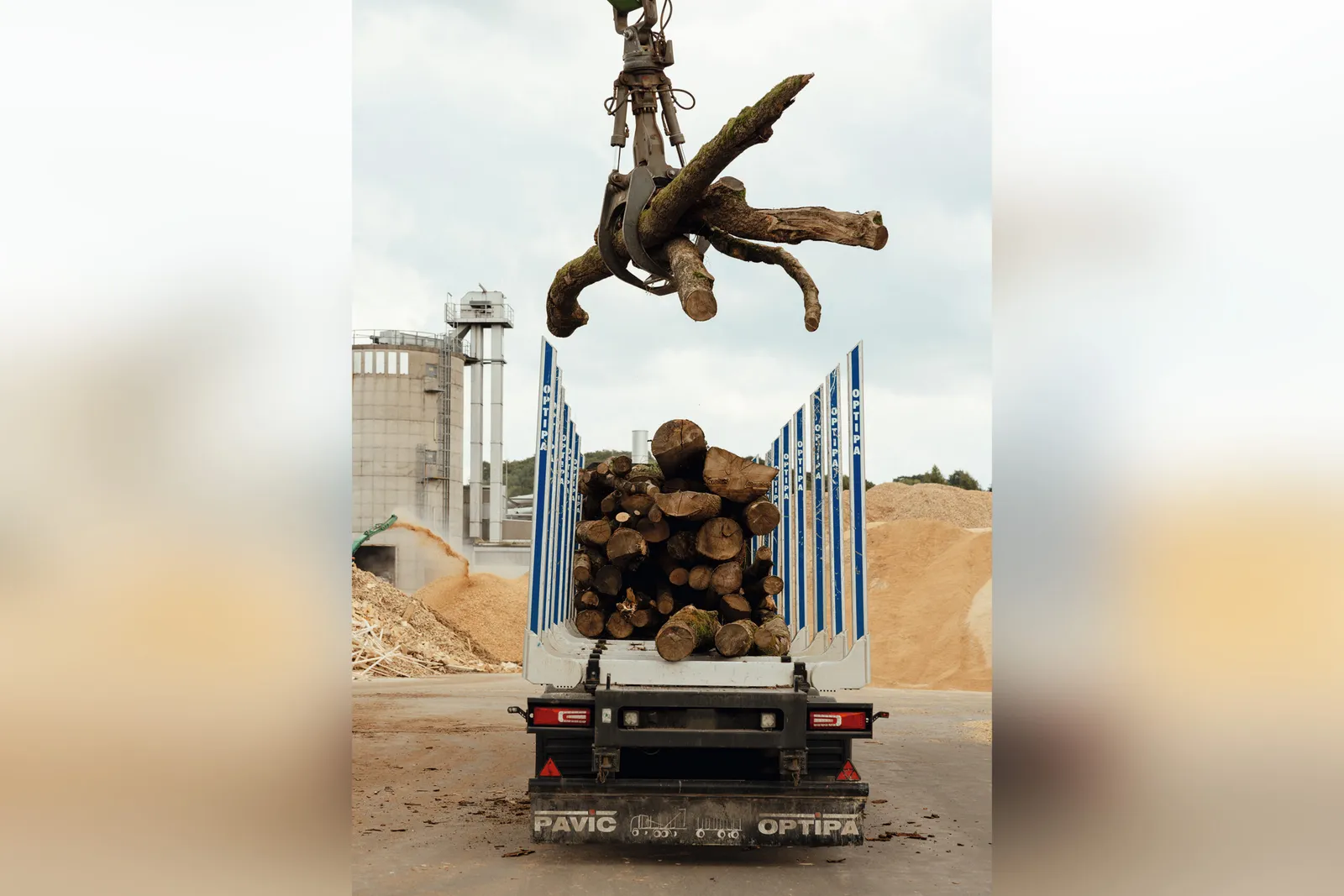
Responsible sourcing of raw materials is the foundation of EGGER’s sustainability strategy. 73 per cent of the wood processed by EGGER comes from the immediate vicinity of its production sites. This not only means shorter transport routes and lower emissions, but also strengthens the regional economy.
EGGER makes a conscious choice to be transparent: 92 per cent of its wood is sourced directly from suppliers rather than through distribution networks. This ensures traceable origins and long-term partnerships with suppliers who share the same values.
Circular economy: giving wood a second life
One of the most successful examples of EGGER’s circular approach is Eurodekor decorative chipboard. Popular in furniture and interior construction, this product is a perfect example of how wood waste can be put to new use.
76 per cent of the wood EGGER uses for its chipboard consists of sawmill residues and recycled wood. What is more, at the end of its service life, the chipboard is one hundred per cent recyclable and can be reused as a raw material. In this way, EGGER reduces its reliance on virgin raw materials and extends the life cycle of wood.
Investing in people and green energy
Sustainability is not just about the environment, but also about people. EGGER aims to provide a safe working environment where employees can work in good health and without risk. Targeted efforts have reduced the company’s accident rate to 7.76 accidents per 1 million hours worked. This result is in line with EGGER’s ultimate ambition: zero workplace accidents.
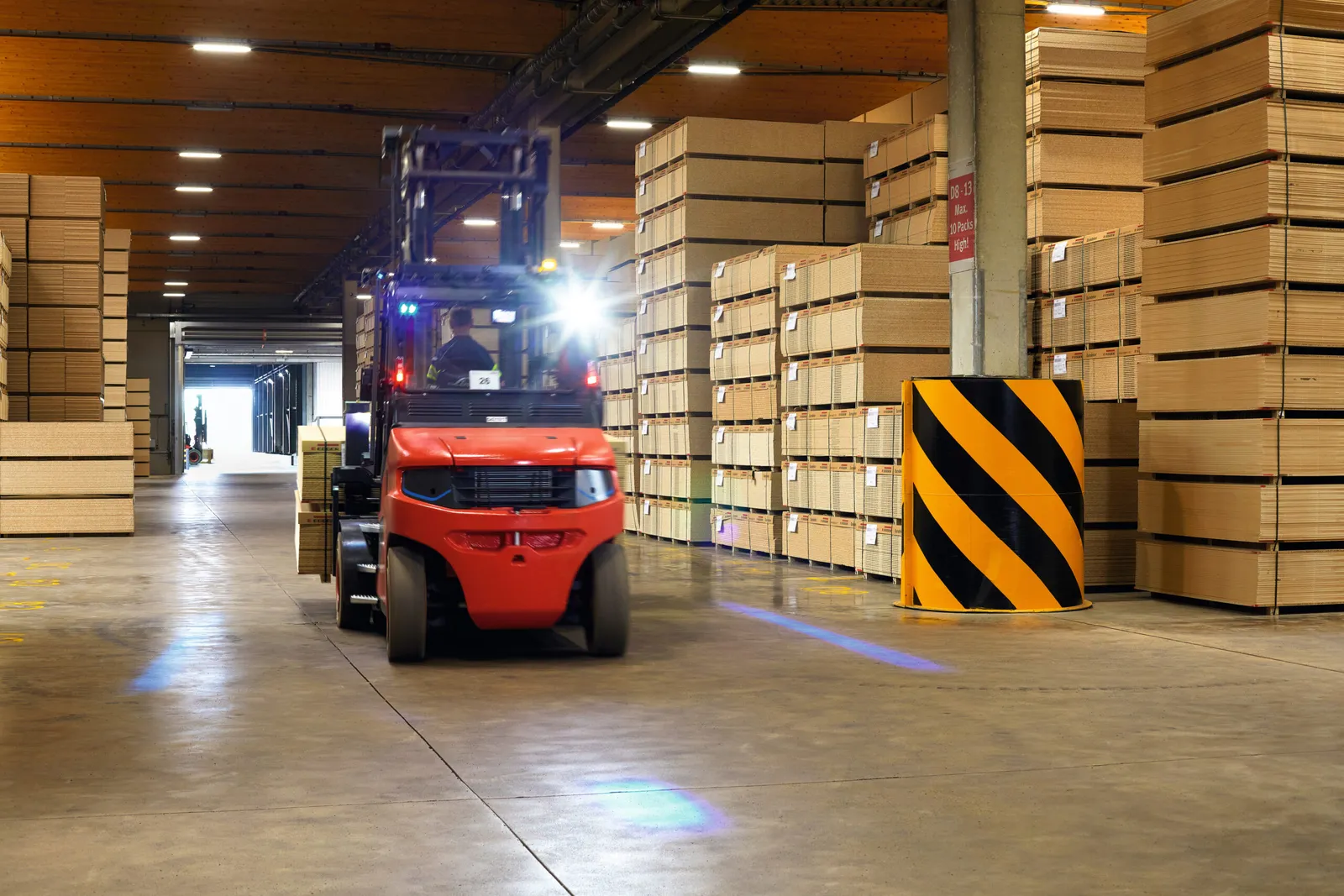
To further reduce CO2 emissions, EGGER is investing heavily in electrification. Replacing conventional gas and diesel-powered forklifts with electric models is a key priority. Already, 40.5 per cent of its internal vehicle fleet is electric.
EGGER is also making progress with its company car fleet: 13.9 per cent of its company cars are now electric. By continually investing in innovative mobility solutions, EGGER is helping to make its operations more sustainable.
A forward-looking vision
At EGGER, sustainability is not just an ambition, but a reality. Through climate action, the circular economy, sustainable forest management and electrification, the company is taking consistent steps towards a greener future. With clear targets for 2030, EGGER continues to lead the sector and set an example of how sustainability and economic growth can go hand in hand.
Question about this story? Ask your question
Keep following this
Get an email when a new story is published. No account needed.
- ThemeSustainable and circular timber supply chain
- SubjectGeneral







