These are the flooring trends shaping the market
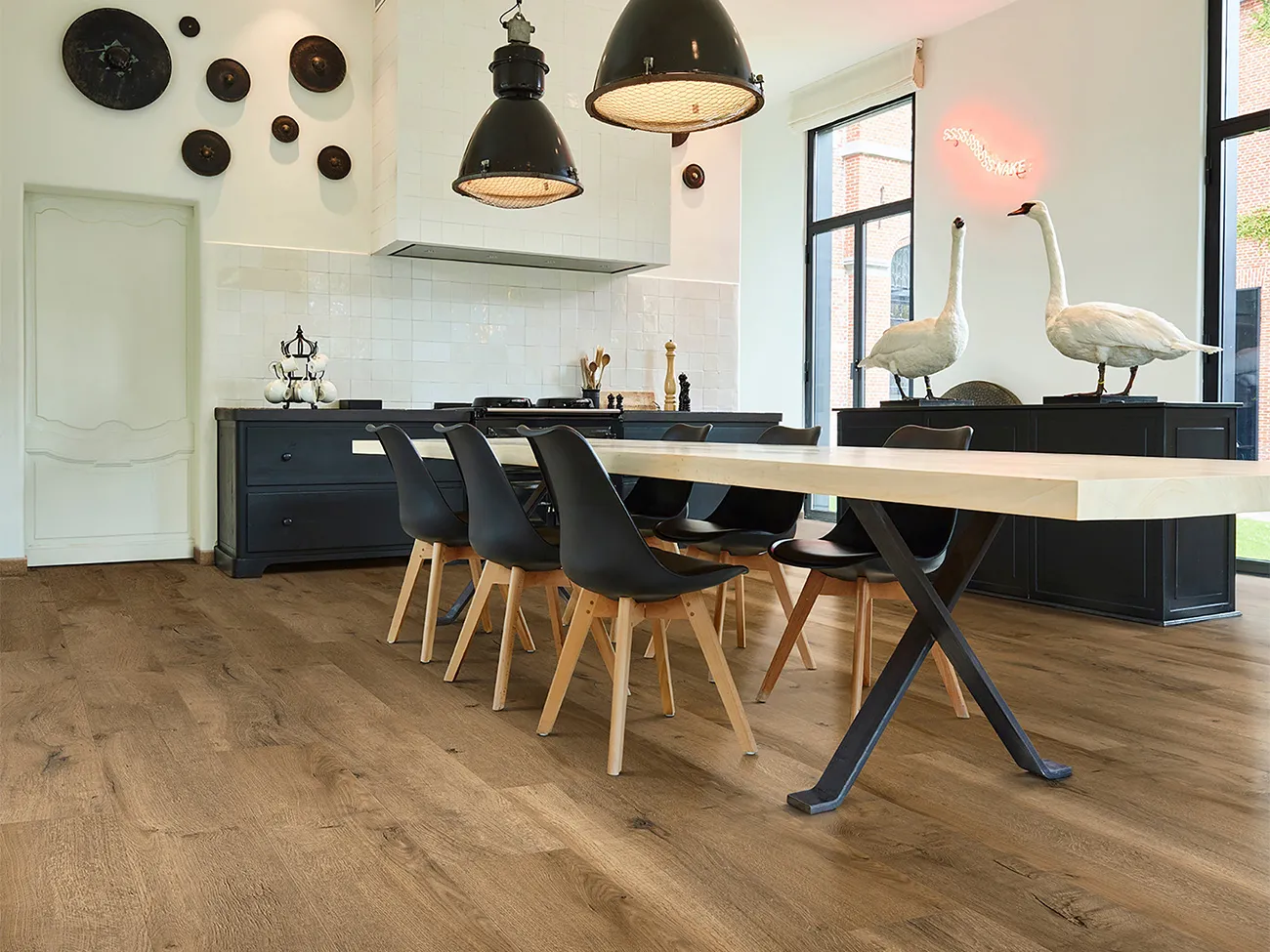
From formats and laying patterns to colour schemes and sustainability
The world of parquet, laminate and vinyl is always evolving. Developments are rapid and the range of products continues to grow. Maintenance, format, laying patterns, finish and sustainability: is it all becoming a bit overwhelming? Five flooring specialists share what is happening in the market.
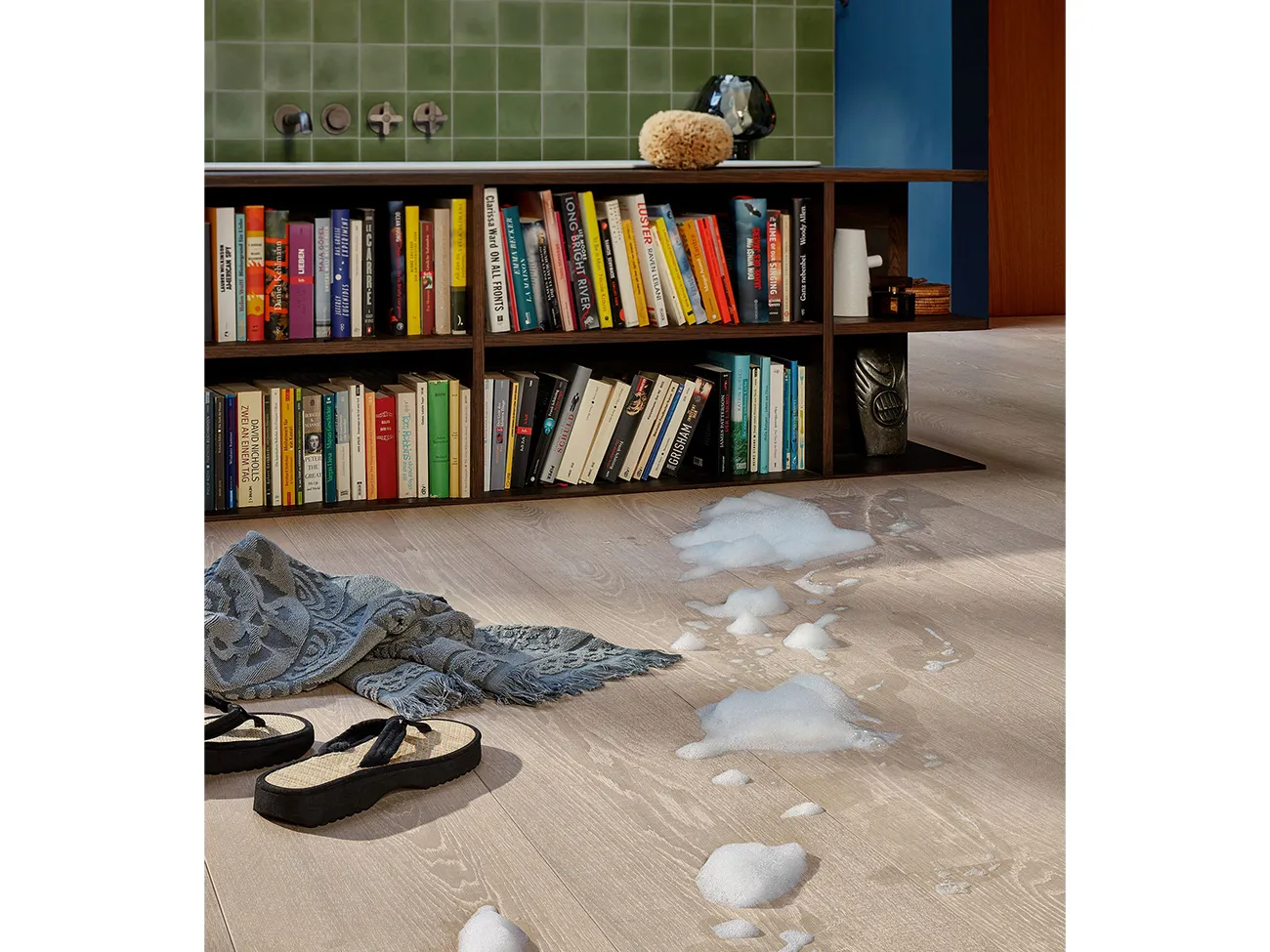
“‘Is the floor easy to maintain?’ remains the number one question for many consumers,” says Stijn Windels, marketing and product director at COREtec®. “They’re thinking about water resistance and whether they can give the floor a quick mop.” This is not something to take for granted with wooden floors. Even so, manufacturers are finding more and more ways to address the issue. Through ongoing innovation in click systems and surface treatments, some floors can now withstand splashes in the kitchen and moisture in the bathroom.
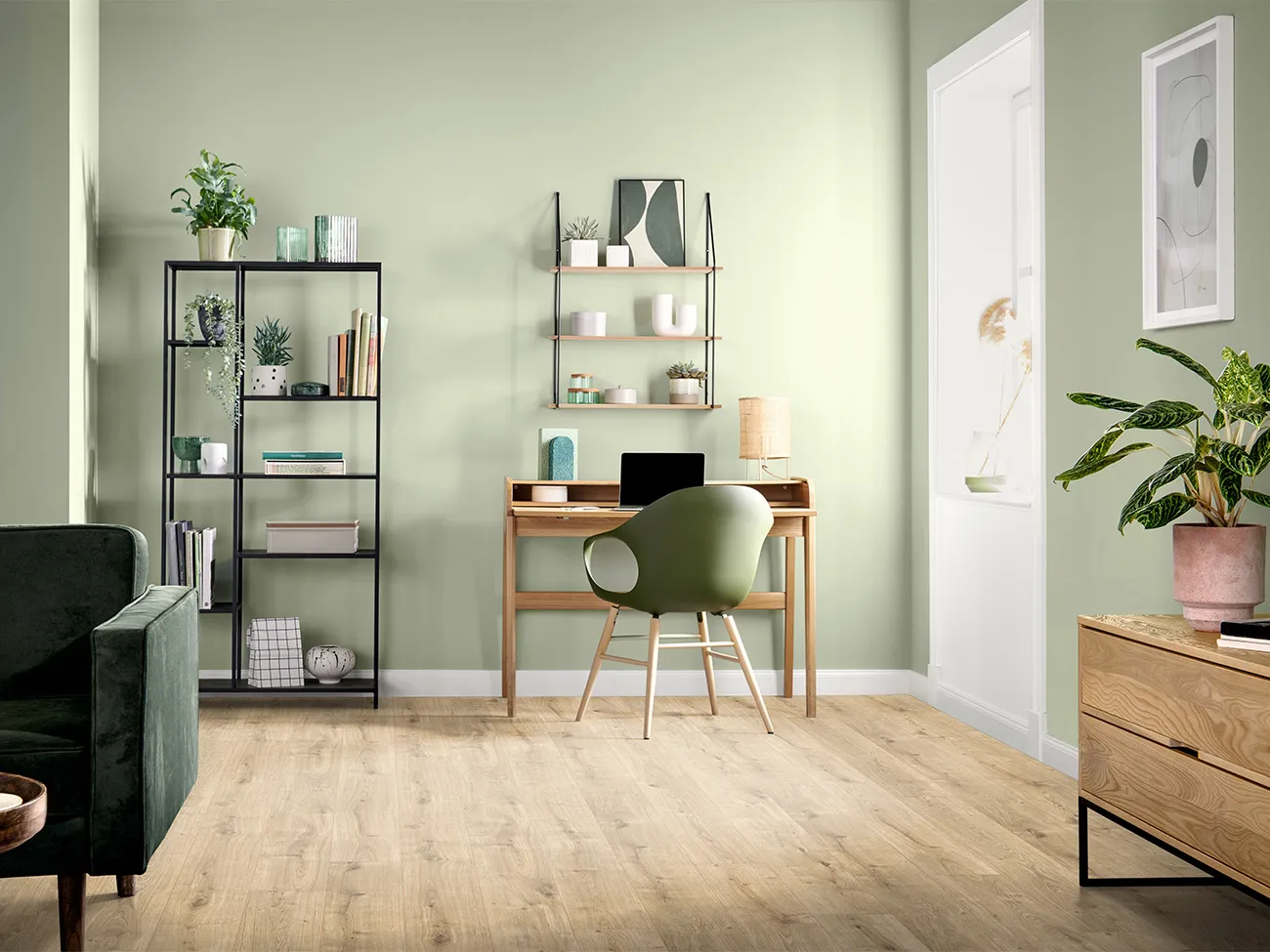
Abrasion resistance class 33 has traditionally been the benchmark for commercial projects, but the boundary with the residential sector is beginning to blur. At home, too, people are increasingly opting for more robust class 32 or 33 floors. A wear layer of 0.55 millimetres is gradually becoming the norm. Some floors even reach abrasion class 34, with a 0.70-millimetre wear layer. Acoustics are also an emerging topic, particularly in the project market, and are gradually gaining importance in residential flooring.
Bigger, longer, wider
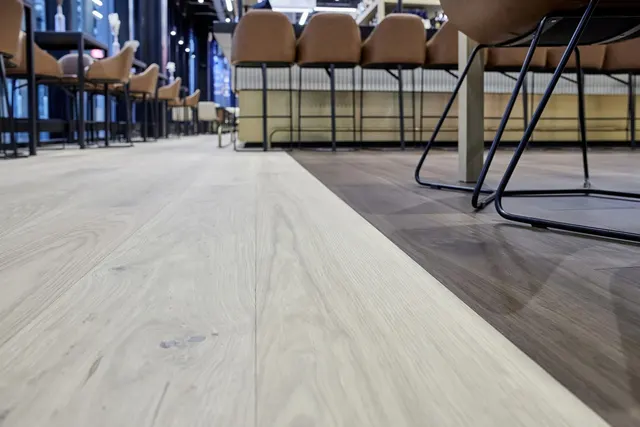
Demand for long, wide planks continues to grow. All manufacturers are seeing this trend. Long planks are particularly popular in modern homes. They make a room look larger because there are fewer visible joints. Today, planks can measure well over two metres. “Even so, we shouldn’t overestimate the importance of large planks,” says Nathan Desmet of Invictus. “They don’t suit every space, so it’s important above all to offer a diverse range. That way, there’s something for everyone.”
Herringbone makes a comeback
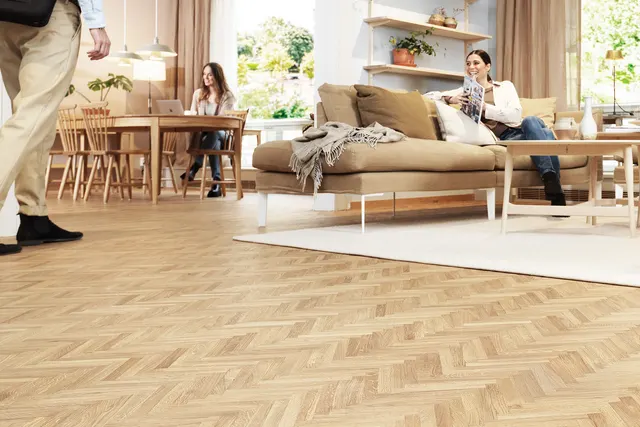
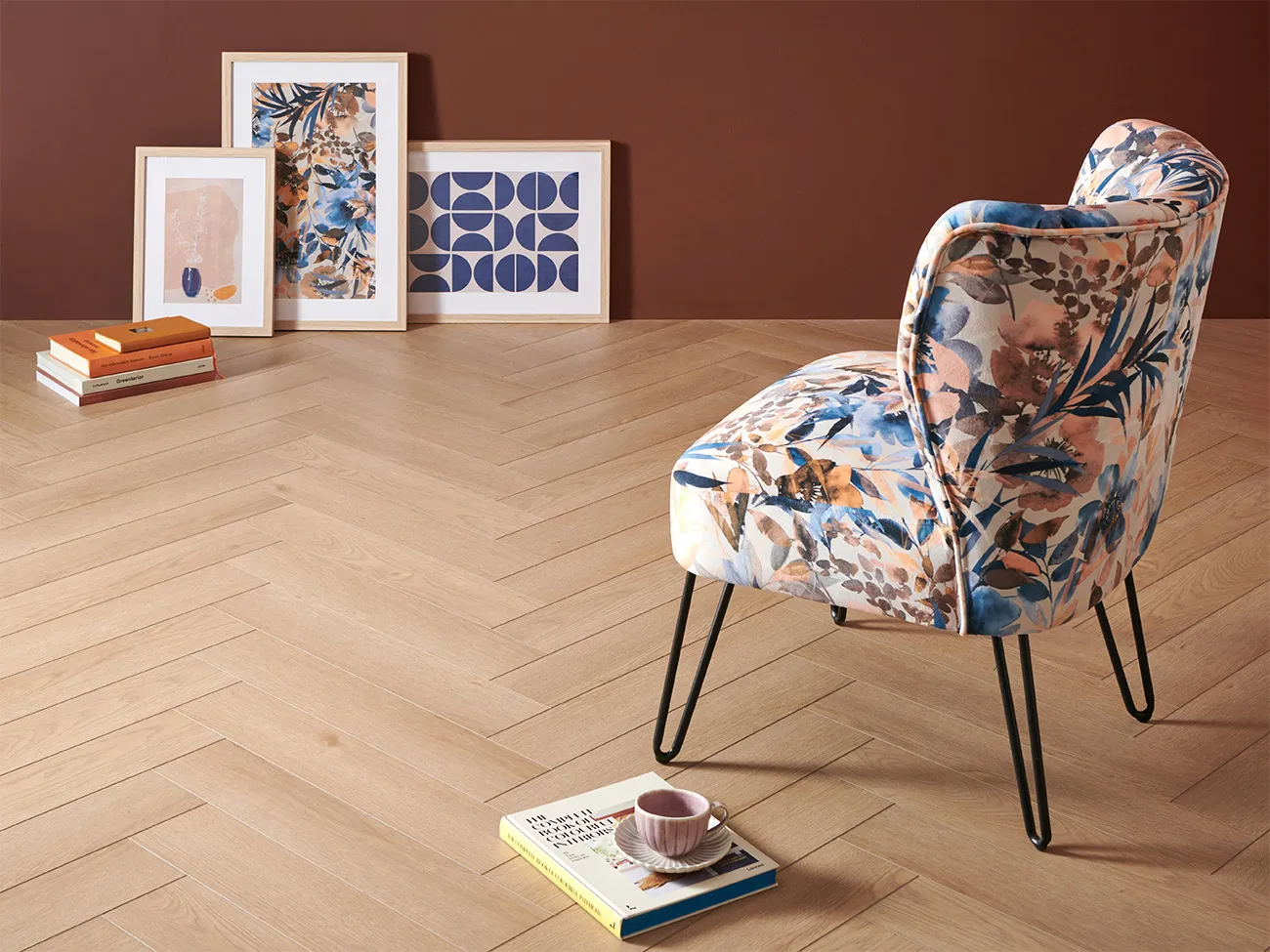
Herringbone flooring dates back to the 1960s and 1970s, but everyone in the interiors sector can see that it is enjoying a real revival. “We’ve noticed that people want something other than straight planks, so they’re choosing herringbone or chevron. To keep the floor looking calm, they opt for a light colour such as oak,” says Robert Siewes of EGGER. Nathan Desmet of Invictus believes this trend is here to stay. “There’s also more scope in the project market to choose fashionable or unusual floors. In boutiques or hotel lobbies, the floor can make more of a statement,” adds his colleague Emmanuel Lioen. Herringbone planks have traditionally been smaller, but that, too, is changing. Dennis Schwane of Meisterwerke reports growing demand for large-format herringbone planks.
Keep it simple
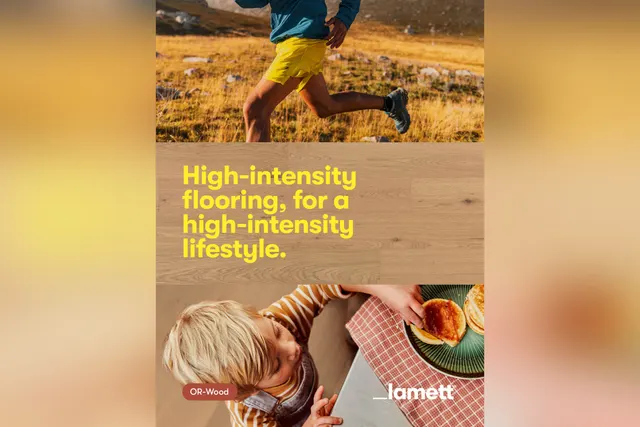
The easier a floor is to install, the more popular it is. That much is clear. Manufacturers are happy to meet this demand with practical click joints and integrated underlays. These features considerably reduce the risk of errors for professional installers and capable DIYers alike. Joyce Verfaillie, marketing manager at Lamett, also emphasises how important it is for floors to be compatible with underfloor heating and cooling systems.
Manufacturers are also paying increasing attention to the customer experience, for both buyers and retailers. Advanced displays and interactive digital modules help products stand out even more. The ultimate aim is to help customers picture their future floor clearly, making it easier for them to buy.
Sustainability and conserving resources
Consumers are becoming increasingly aware of their ecological footprint and want to know the environmental impact of the products they buy. That makes it important for manufacturers to address the issue directly and communicate openly. Compared with standard engineered wood flooring, Lindura (Meister) uses only one eighth as much wood for its surface. Wood Powder, a blend of fine wood fibres, mineral components and other natural additives, is compressed with a top layer of real wood, a scarce resource. EGGER, meanwhile, has chosen cork, an eco-friendly material that also provides extra warmth and reduces noise. Recycling systems are also becoming increasingly important in the industry. Production waste and installation offcuts can be returned to the production process as valuable raw materials. In future, it will therefore be worth paying close attention to environmental labels.
An authentic look and feel
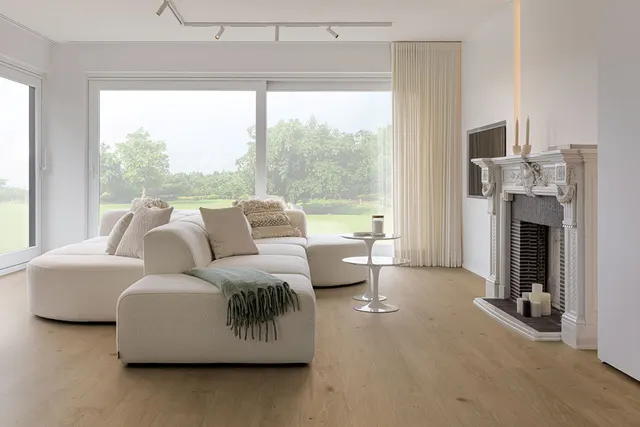
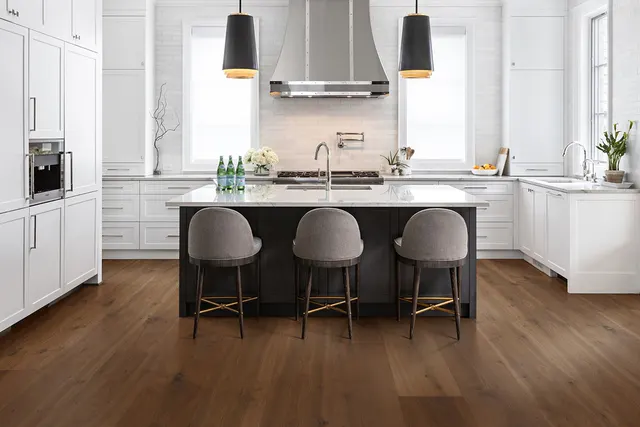
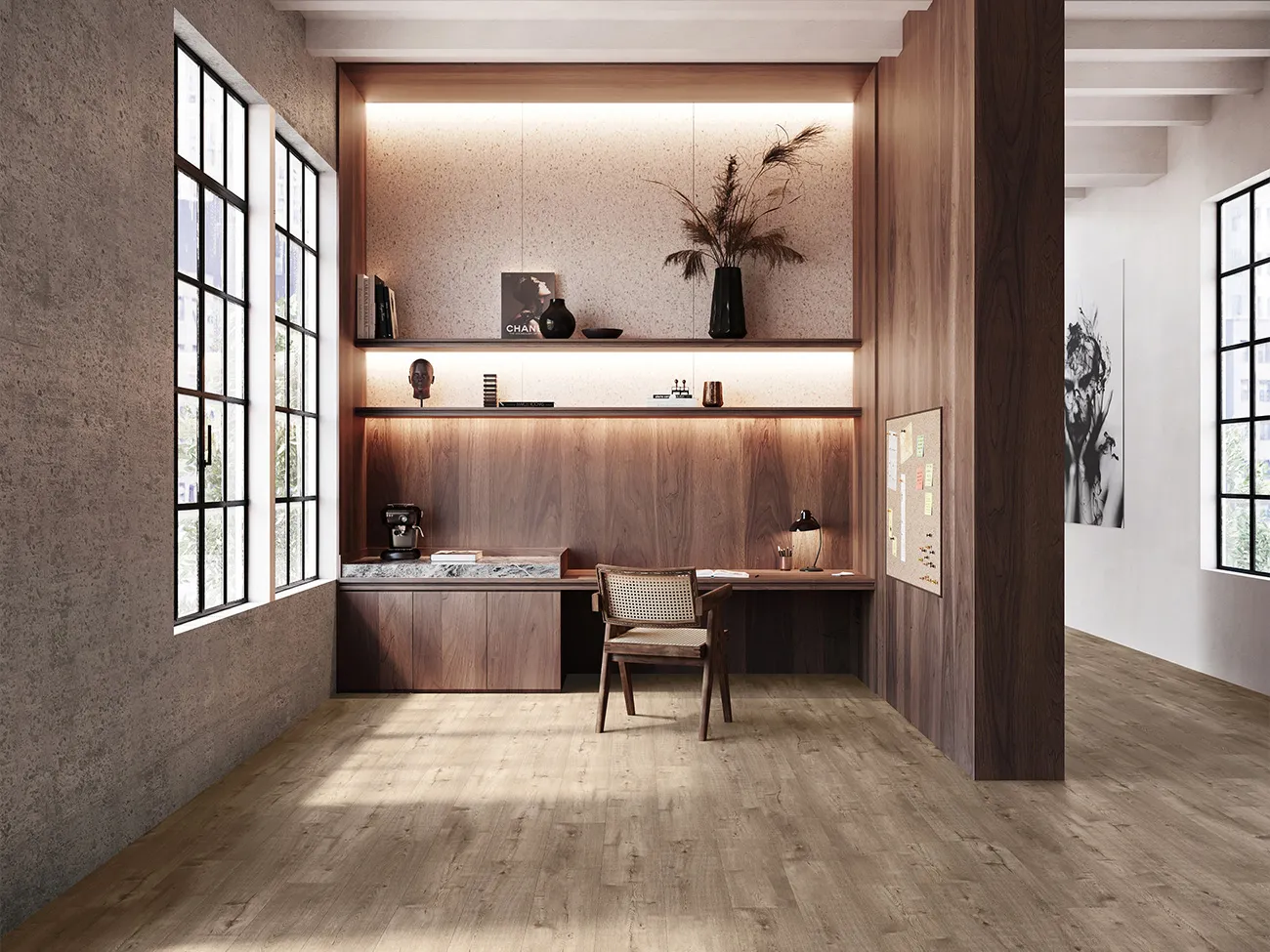
Parquet brings a touch of nature into the home, but new technologies are making, for example, vinyl floors increasingly realistic. “With all the options available today, they are almost indistinguishable from real wood. Planks with a gloss level of two to four per cent, for instance, have an exceptionally matt appearance that closely resembles real parquet,” says Joyce Verfaillie, marketing manager at Lamett. Natural looks are clearly the priority when it comes to colours and designs. A floor should not only look like wood, it should feel like wood too. That is why manufacturers aim to finish planks with a groove that closely matches the design. The colour should match closely as well. Calm colours are generally preferred. Rustic knots and figuring are less fashionable, making these floors a good foundation for a wide range of interiors.
Question about this story? Ask your question
Keep following this
Get an email when a new story is published. No account needed.
- ThemeInterior comfort and aesthetics
- SubjectFlooring