











Decospan invests €35 million in the future of Flemish industry
Text and images Decospan
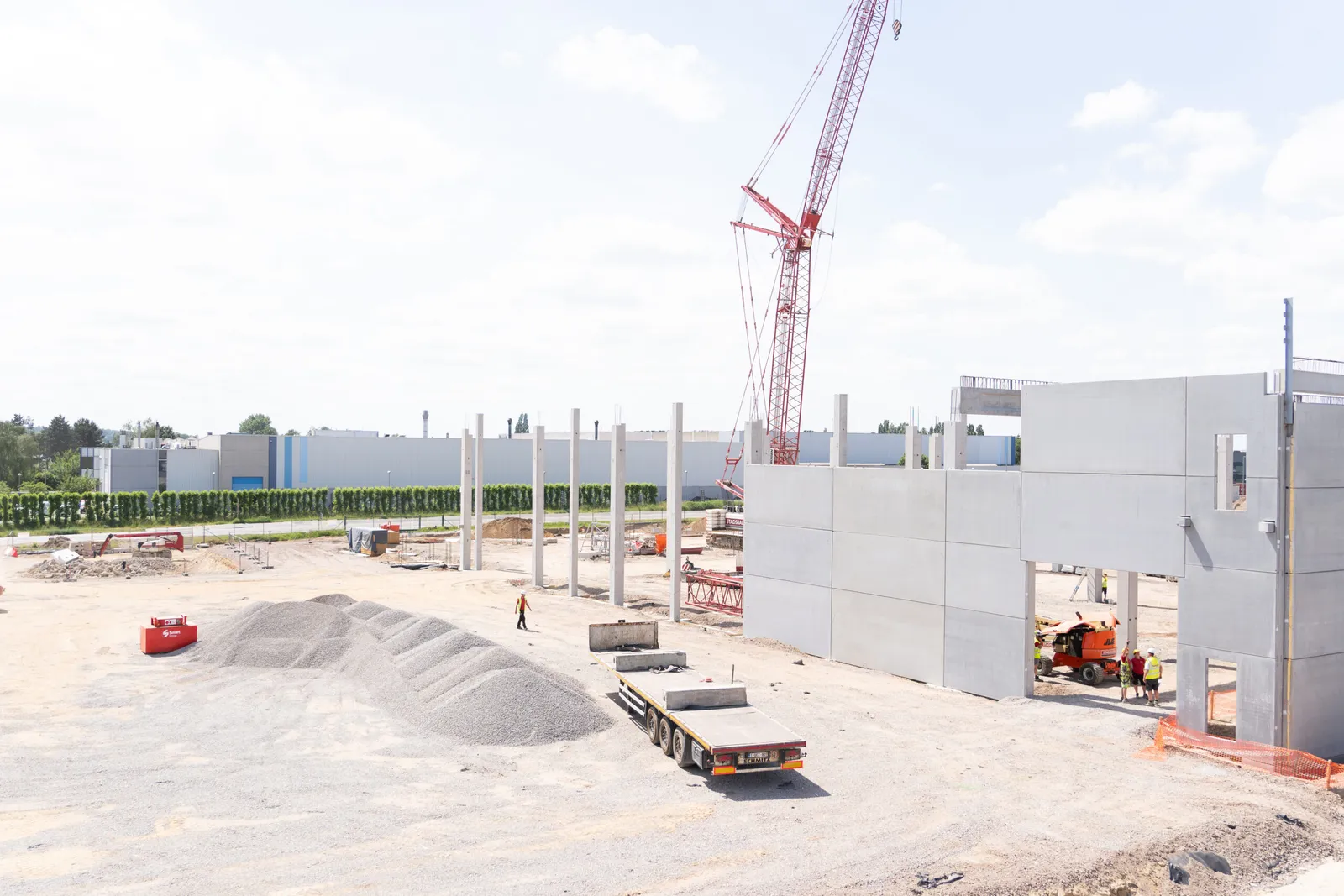
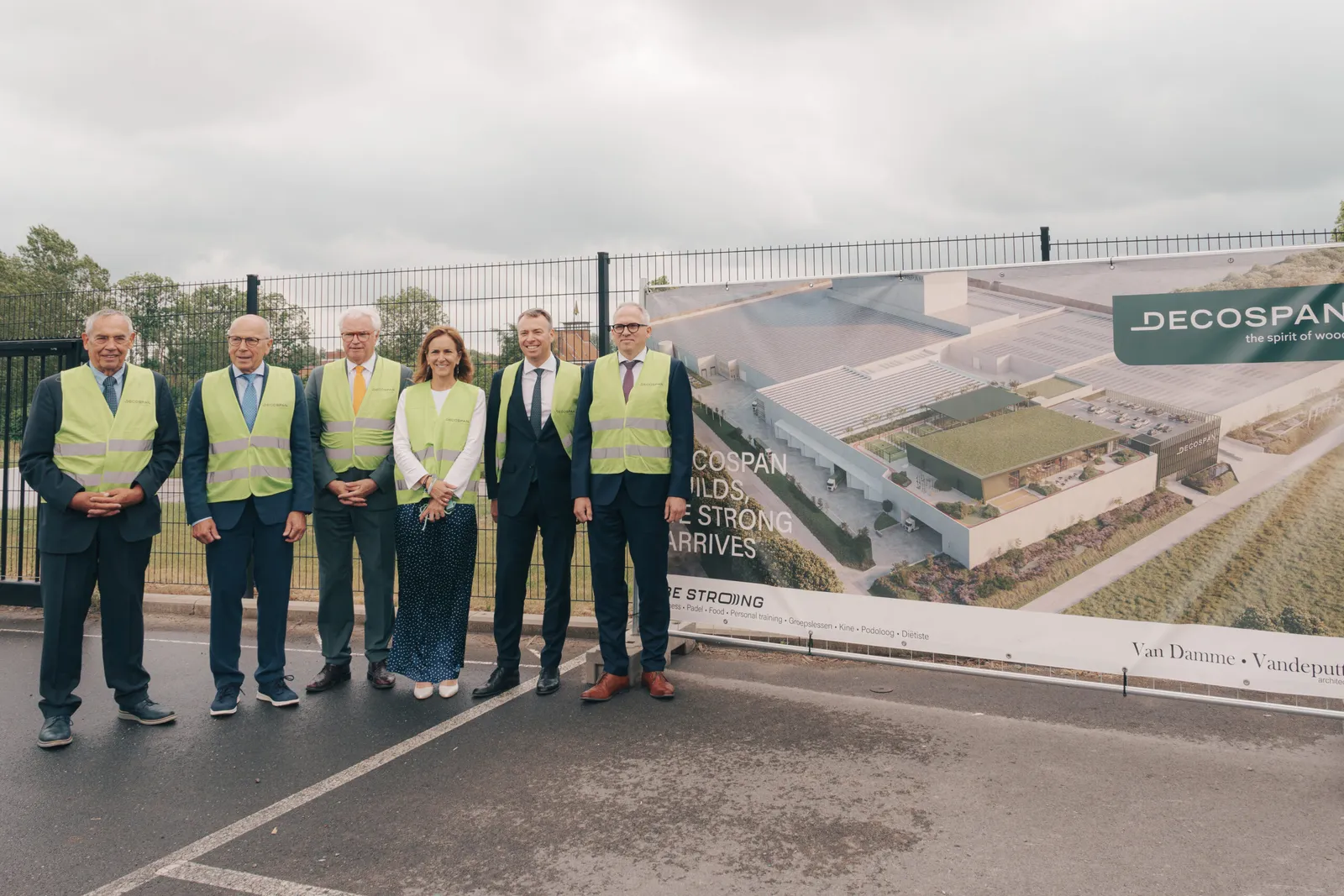
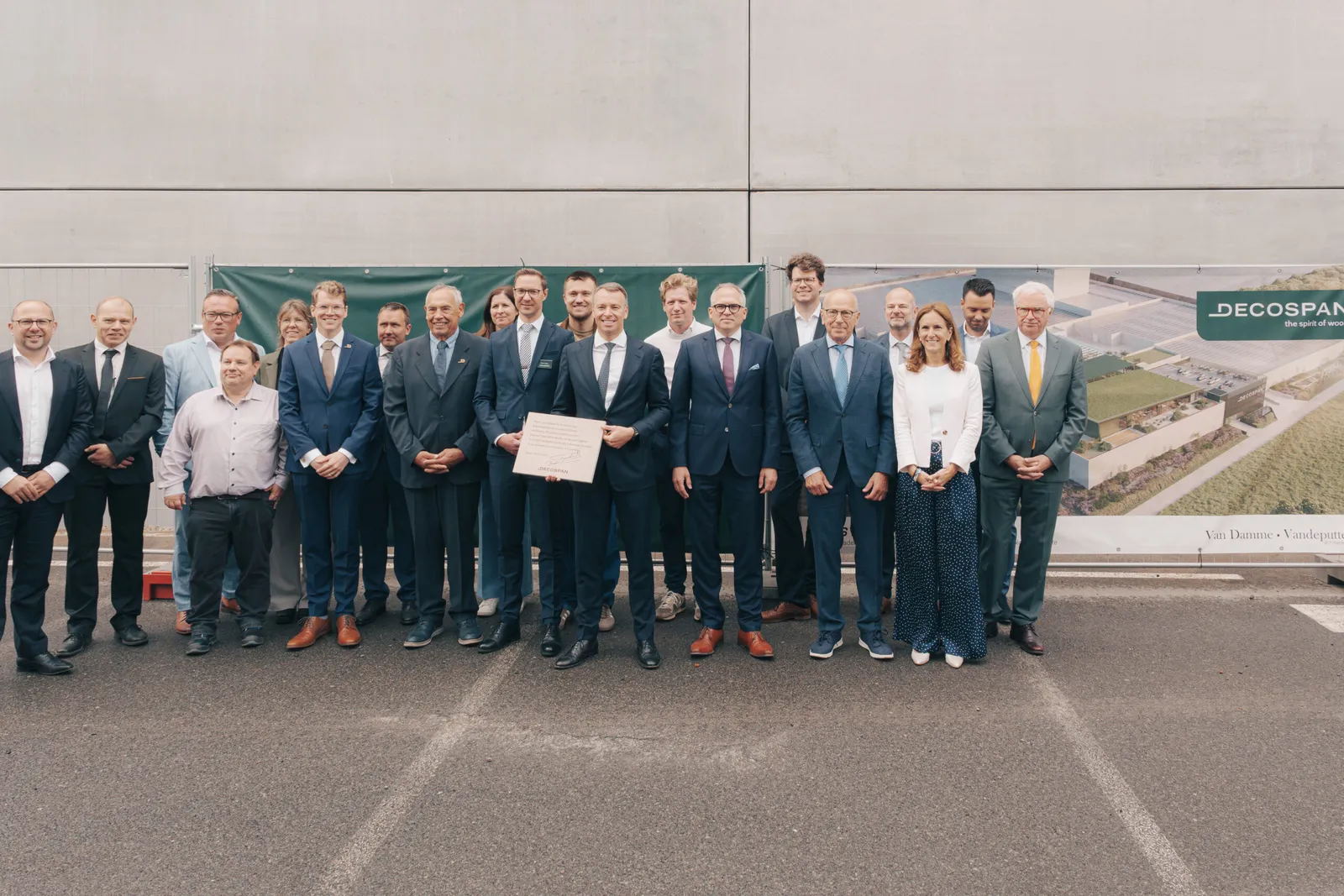
While many companies are waiting to see how the economic climate develops, Decospan is taking decisive action. With Nexus, the family-owned company from Menen is launching a €35 million investment programme to take innovation, sustainability and production capacity to the next level. The project presentation gave Flemish Minister-President Matthias Diependaele a good reason to visit the site.
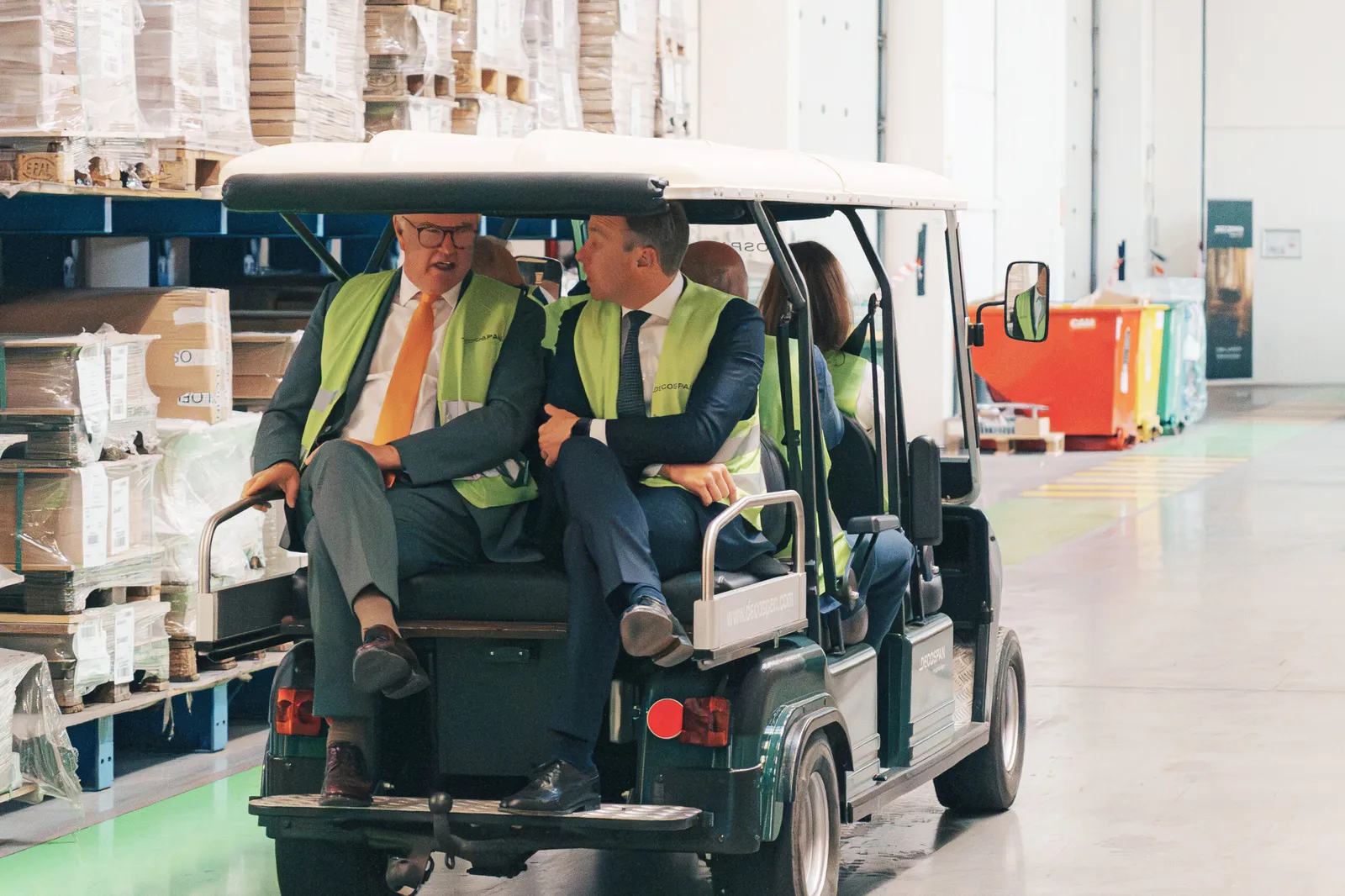
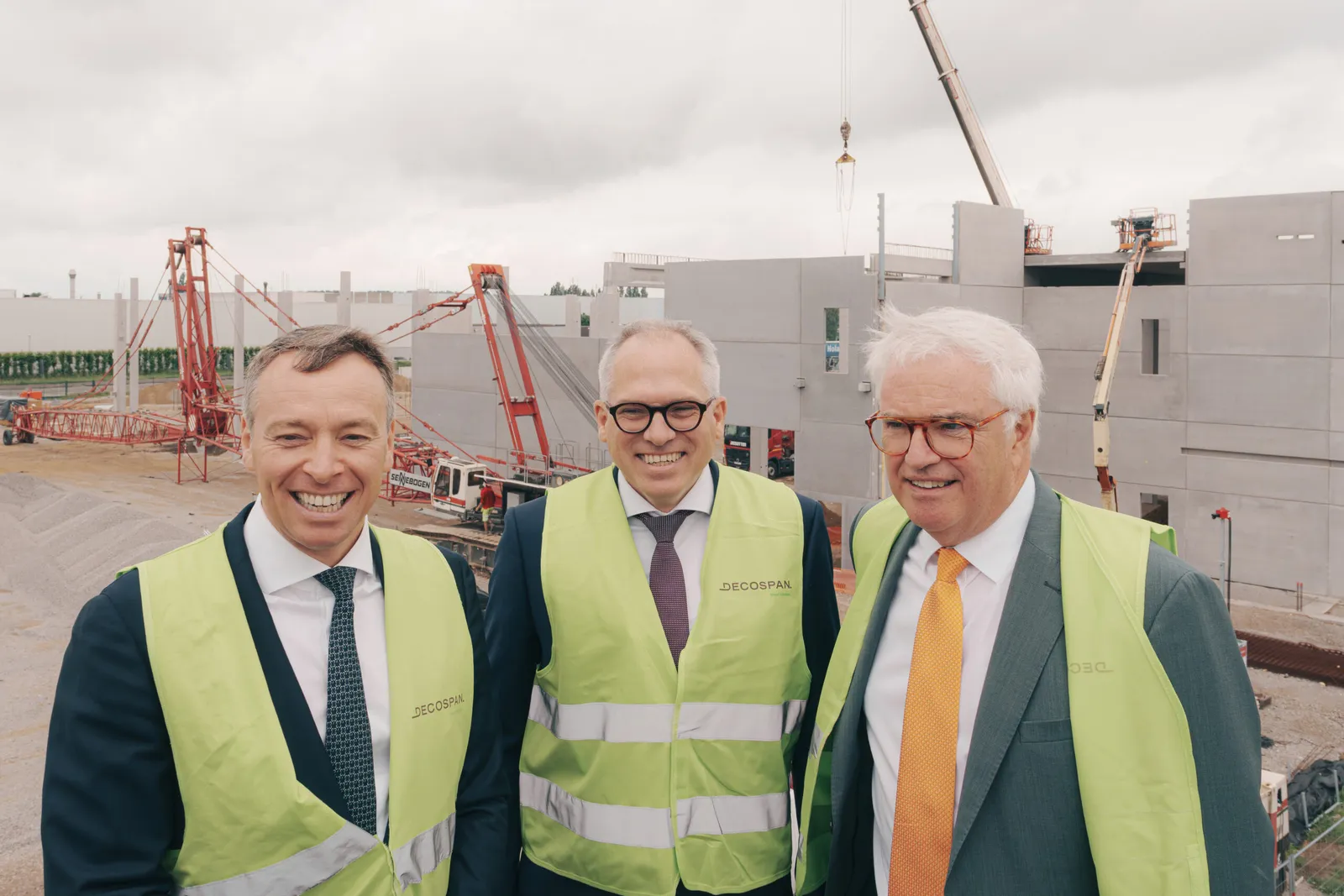
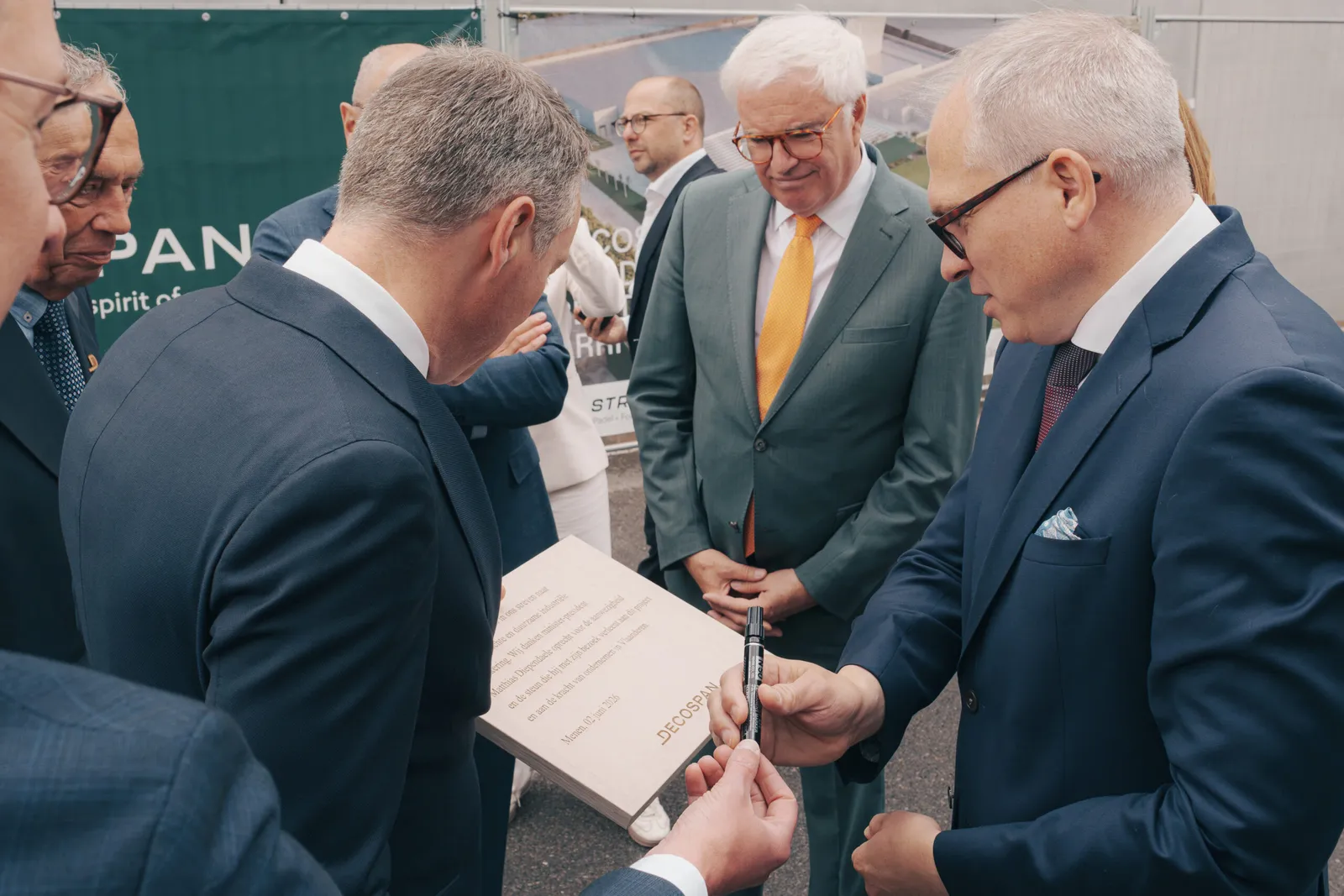
In connection with the planned expansion of the site on Ringlaan in Menen, Decospan welcomed Flemish Minister-President Matthias Diependaele to its production site. The visit, facilitated by Fedustria, provided the ideal opportunity to present Nexus: a strategic €35 million investment in more efficient, sustainable production. Industry, government and the sector association also discussed challenges facing Flemish manufacturing, such as energy, permits and talent development.
Investing with conviction
As a Belgian family-owned business, Decospan has spent decades building a strong international position from West Flanders. This entrepreneurial spirit is reflected in its ongoing efforts to improve processes, products and production environments. The expansion on Ringlaan and the Nexus project are a natural next step. The investment will strengthen the site’s competitiveness and create room for further growth.
“As an entrepreneur, you have to keep moving forward. We have always been progressive as an industry pioneer, and we need to move fast,” says CEO Pieterjan Desmet. “That vision has underpinned the choices we have made at Decospan for years. We invest with conviction and continue to build an industry in Flanders that is ready for the future.”
Energy as a strategic challenge
The energy issue was also discussed at length during Minister-President Diependaele’s visit. For many manufacturing companies, switching to more sustainable energy is a logical step. At the same time, this ambition often runs up against the reality of an electricity grid under pressure.
Decospan faces this challenge too. For now, the company has opted for a hybrid energy strategy, using both electricity and gas in its production process. This decision reflects pragmatism and the need for operational security. A fully electrified production environment requires infrastructure with a capacity that is currently insufficient.
Other topics included permitting processes, the availability of industrial space and training future employees. Uncertainty around permits can hold up investment, while companies are increasingly taking an active role in developing technical talent themselves.
An ambitious region
Fedustria facilitated the visit as the representative of the wood, furniture and textile industries. The federation sees the same challenges recurring across many Flemish manufacturing companies, but also notes a strong entrepreneurial spirit and willingness to invest in the sector. “There is a real appetite to get things done in West Flanders. Let’s do our best to continue supporting this,” says Karla Basselier.
During the meeting, the minister-president also emphasised the importance of entrepreneurship to Flanders. “An entrepreneurial culture is part of Flanders. We get things done. We must continue to encourage that and be proud of it.”
With its expansion in Menen and the Nexus investment, Decospan is sending a clear message. Flemish industrial companies continue to invest in innovation, sustainability and a strong local presence. At the same time, they need a business climate that enables them to turn those ambitions into reality.
Question about this story? Ask your question
Keep following this
Get an email when a new story is published. No account needed.
- SubjectGeneral







