











Building for disassembly with common sense
Text Wendy ThijsImage Beneens Alucon
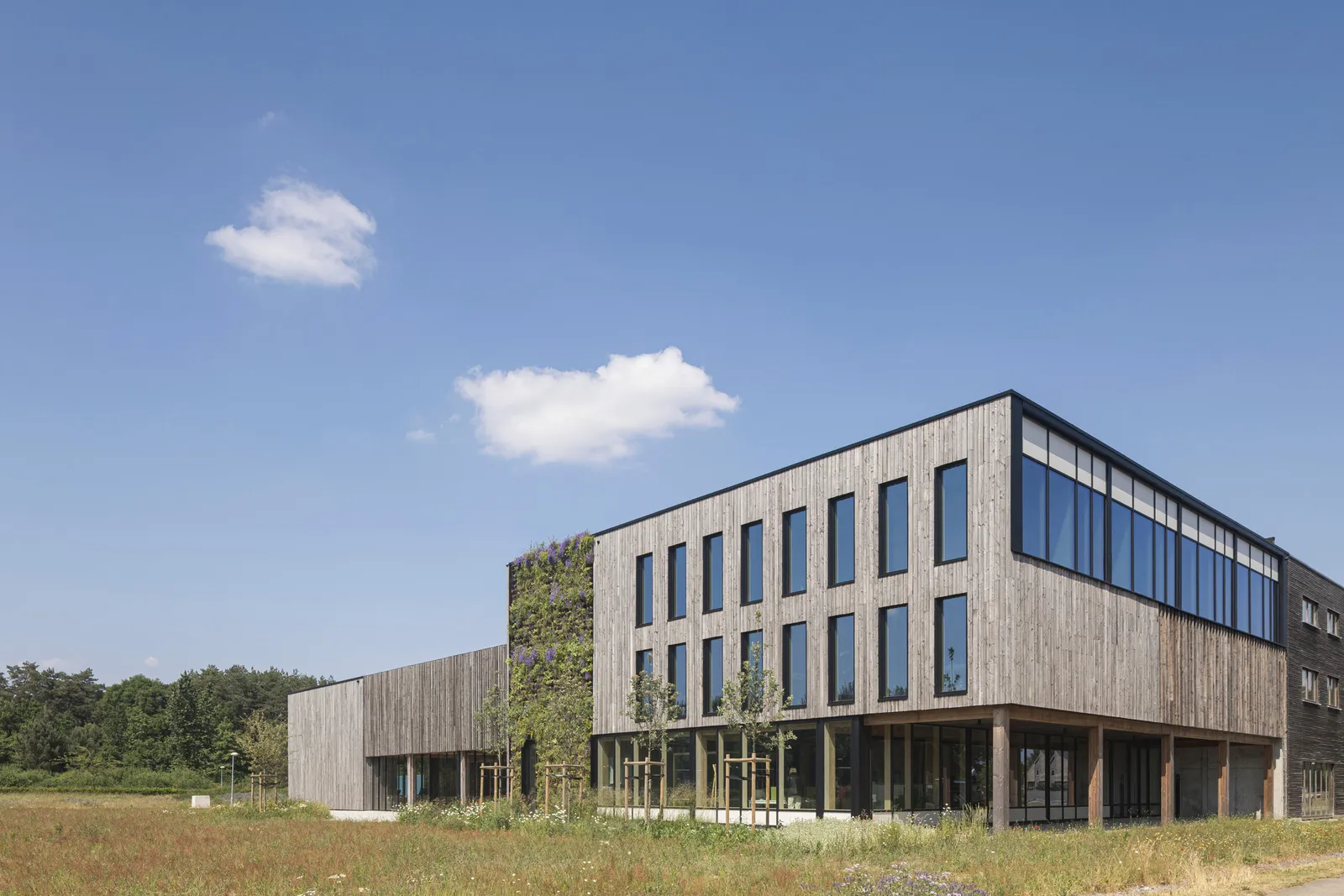
Taking steps towards sustainability is not always straightforward. Hopefully, the experiences of colleagues in the sector will inspire you to follow the same path. Beneens Alucon, for example, is a pioneer in demountable joinery and circular façade systems. Thanks to this expertise, architects and contractors now readily turn to the company for technically challenging projects.
“Sustainability is part of our company DNA,” says general manager Ward Beneens, who succeeded his father Luc Beneens as managing director in 2023. “We believe it is important to invest in our living environment. That is why we are continuing the tradition of taking part in research and testing projects on sustainable and circular construction. This allows us to keep expanding our expertise.”
A pioneer in circular construction
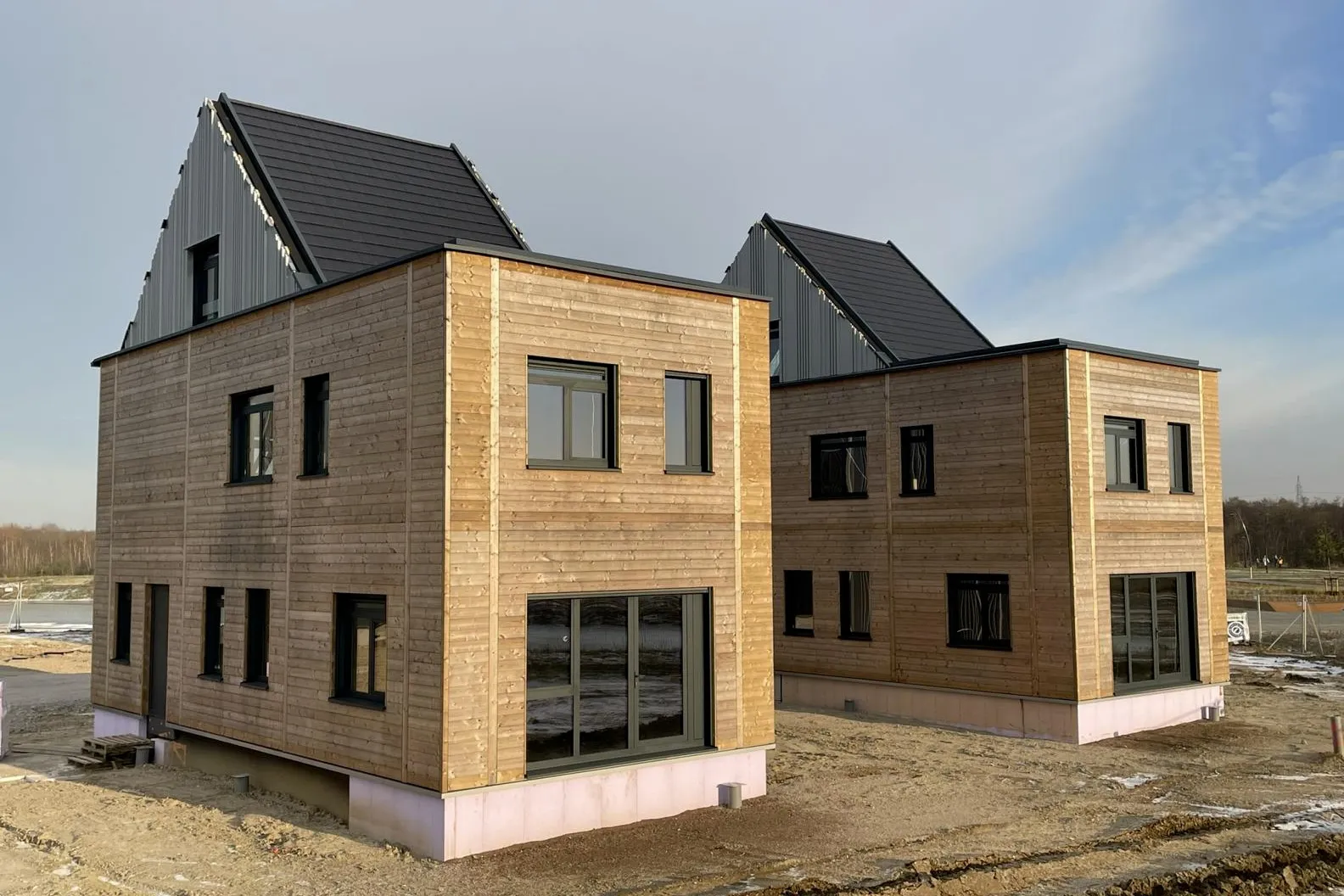
Beneens Alucon, for example, made a significant contribution to the Circular Retrofit Lab, one of the first circular construction projects in Flanders. On the VUB campus, eight prefabricated student rooms dating from the 1970s were stripped out and rebuilt using only demountable and reusable materials.
Beneens Alucon supplied the exterior joinery, playing a key role in the circular façade system. “In a second phase, the façade system was actually dismantled to test its flexibility,” says Beneens. “Can the glazing be replaced easily? Can we quickly replace windows with doors? Or reuse the system elsewhere? These were the central questions.”
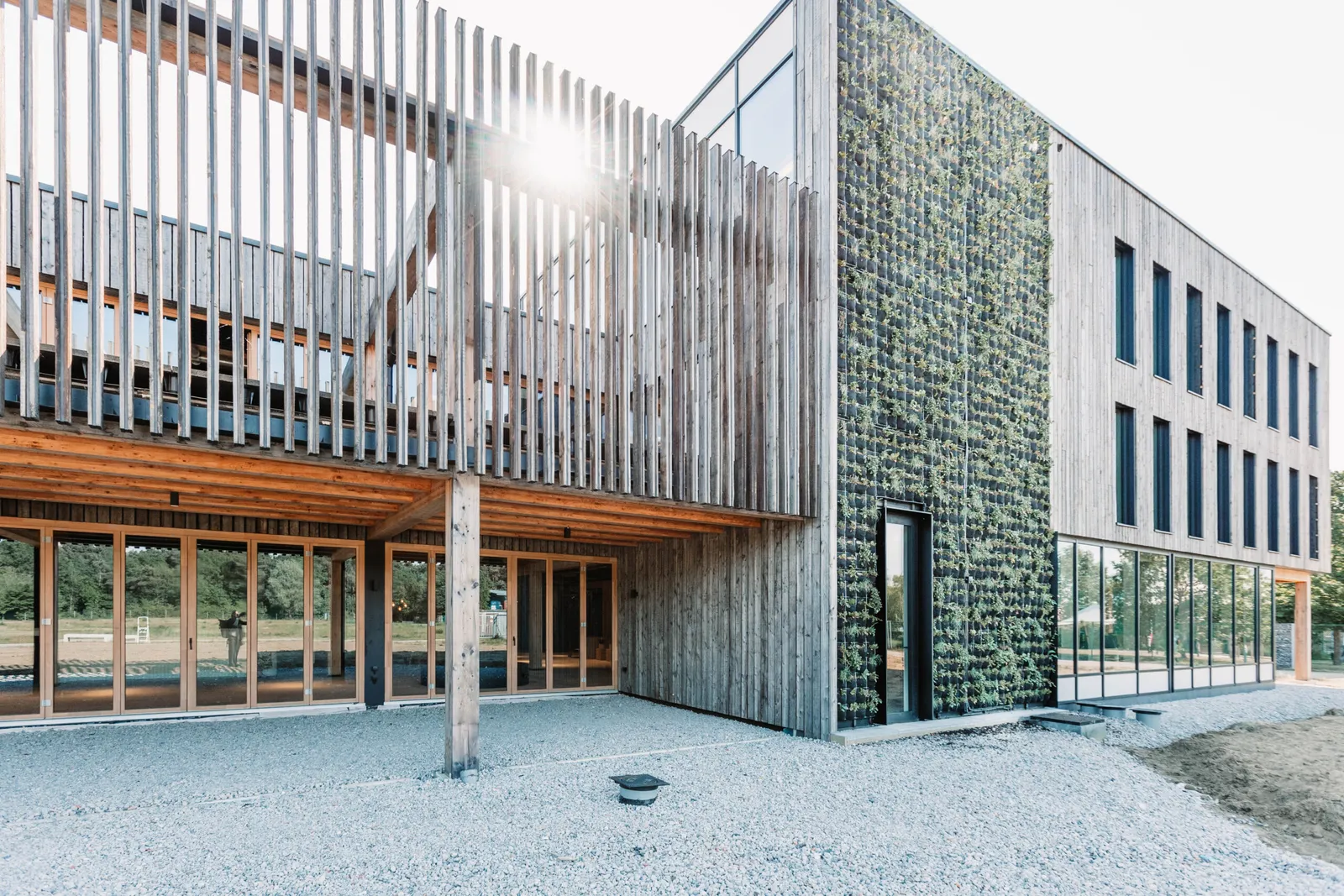
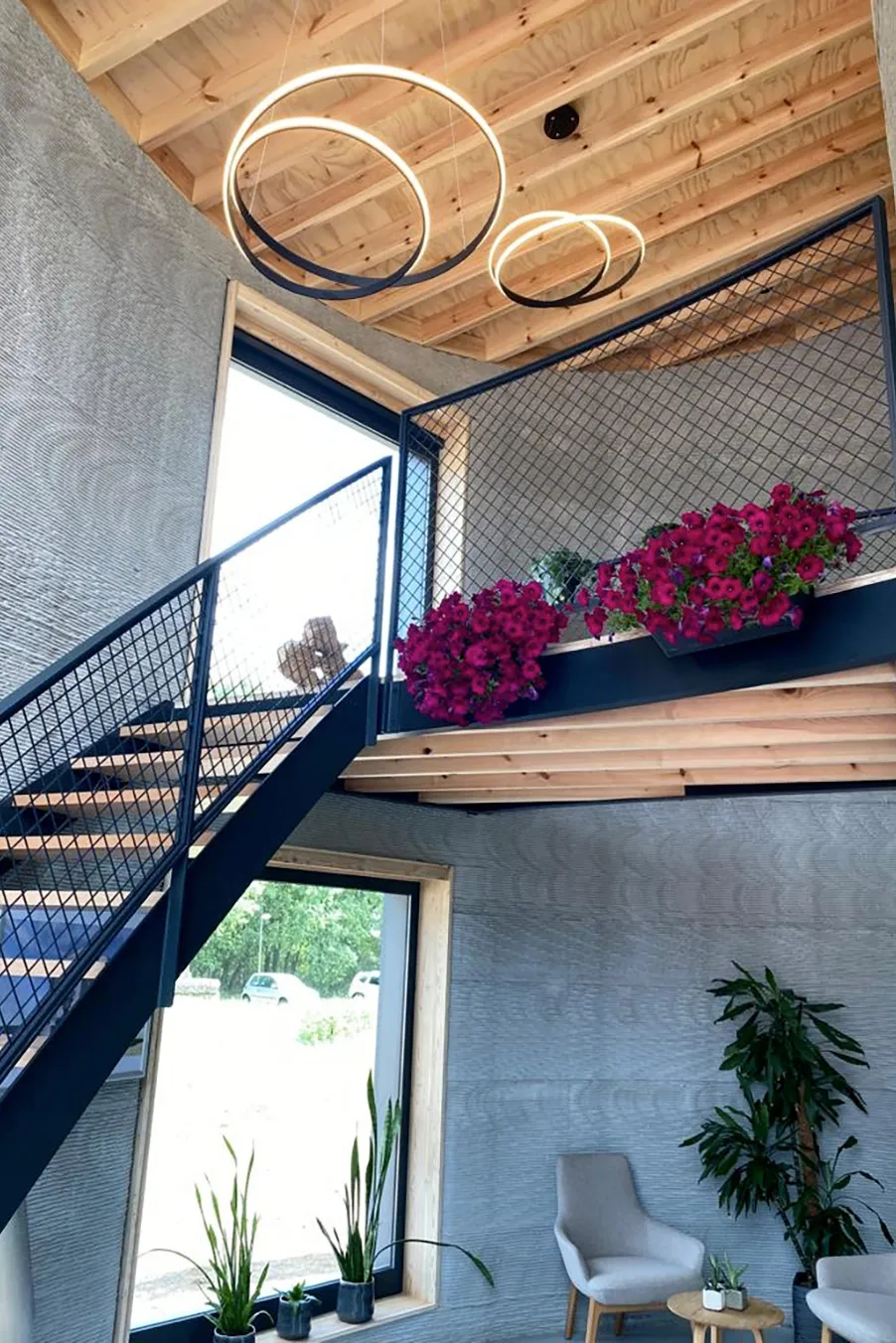
That was not the company’s only project. Beneens Alucon also supplied windows and doors for the first 3D-printed house at Kamp C and helped deliver ’t Centrum, the first circular office building in the Benelux. It is currently contributing to ConstrucTHOR, a test building for KU Leuven in Genk. “The building has been constructed to be fully demountable, using reusable expanding tapes instead of PUR, among other things,” Beneens explains. “It also features a high degree of automation: the building determines for itself when to open or close windows to optimise the indoor climate. Integrating the motors neatly was technically challenging, but it keeps us on our toes and helps us grow.”
Greener production and business practices
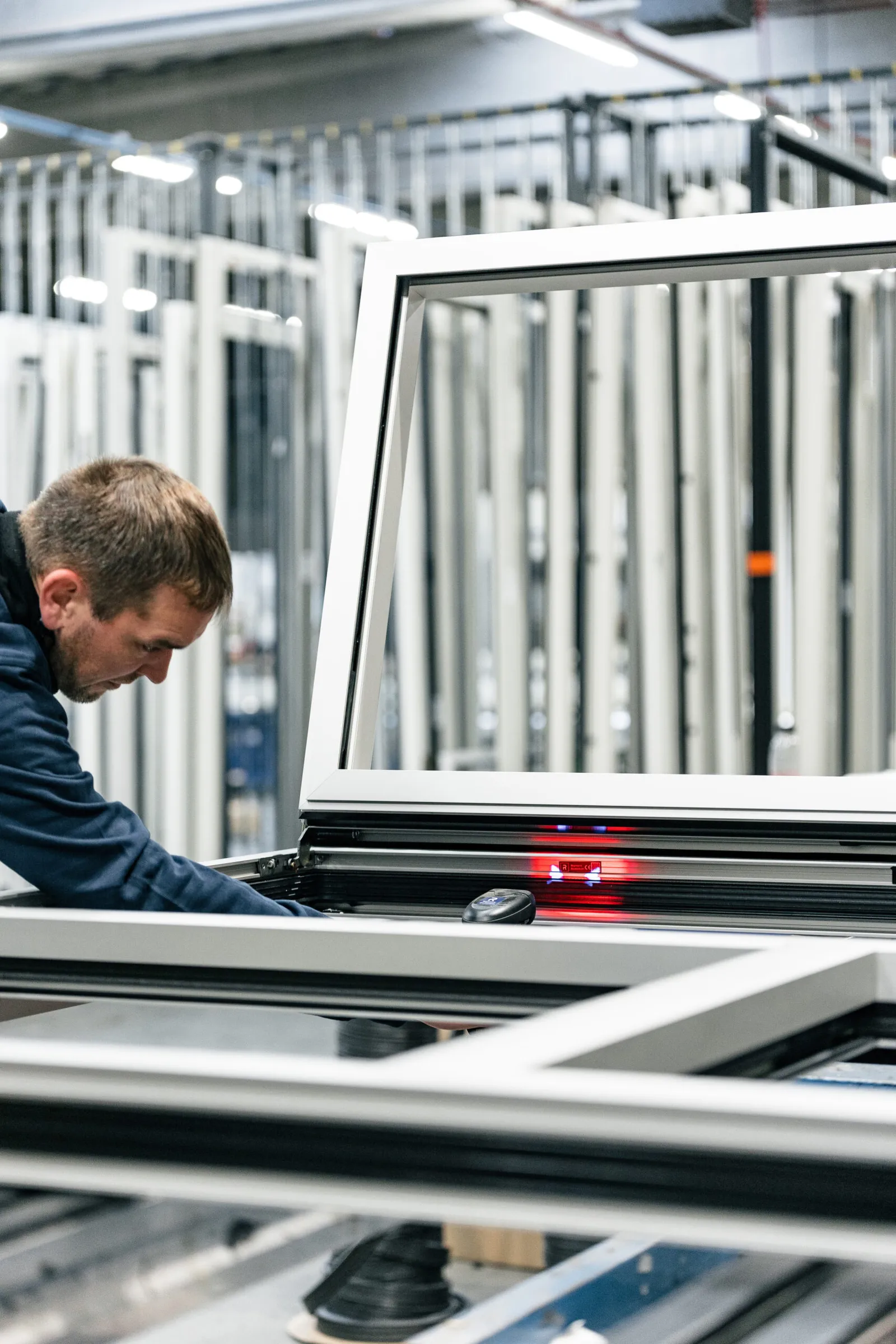
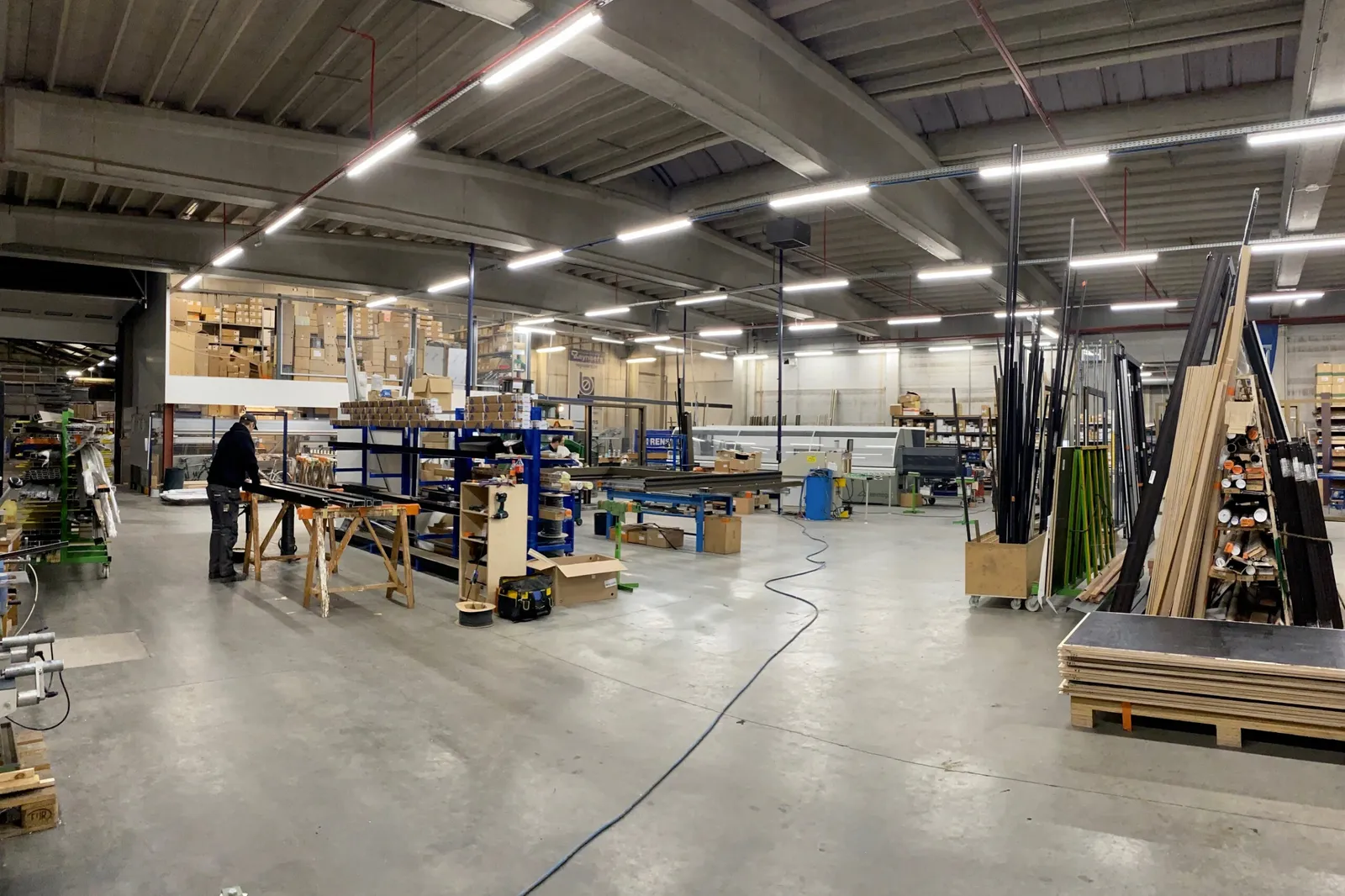
The company is also committed to sustainability in its day-to-day operations. “Waste is sorted very carefully,” says Beneens. “On site, but also here at our premises, where we separate 45 different waste streams.” The company recently joined a recycling project run by Reynaers Aluminium. Aluminium offcuts generated when profiles are cut to size are collected and processed into new profiles made from 100 per cent recycled aluminium.
The entire vehicle fleet is electric, energy is generated by solar panels and all the lighting was recently replaced with LEDs. Beneens Alucon will soon begin construction of a new company building, which is intended to be entirely energy self-sufficient, thanks to features such as a heat pump, underfloor heating and solar panels.
Recognition and market demand
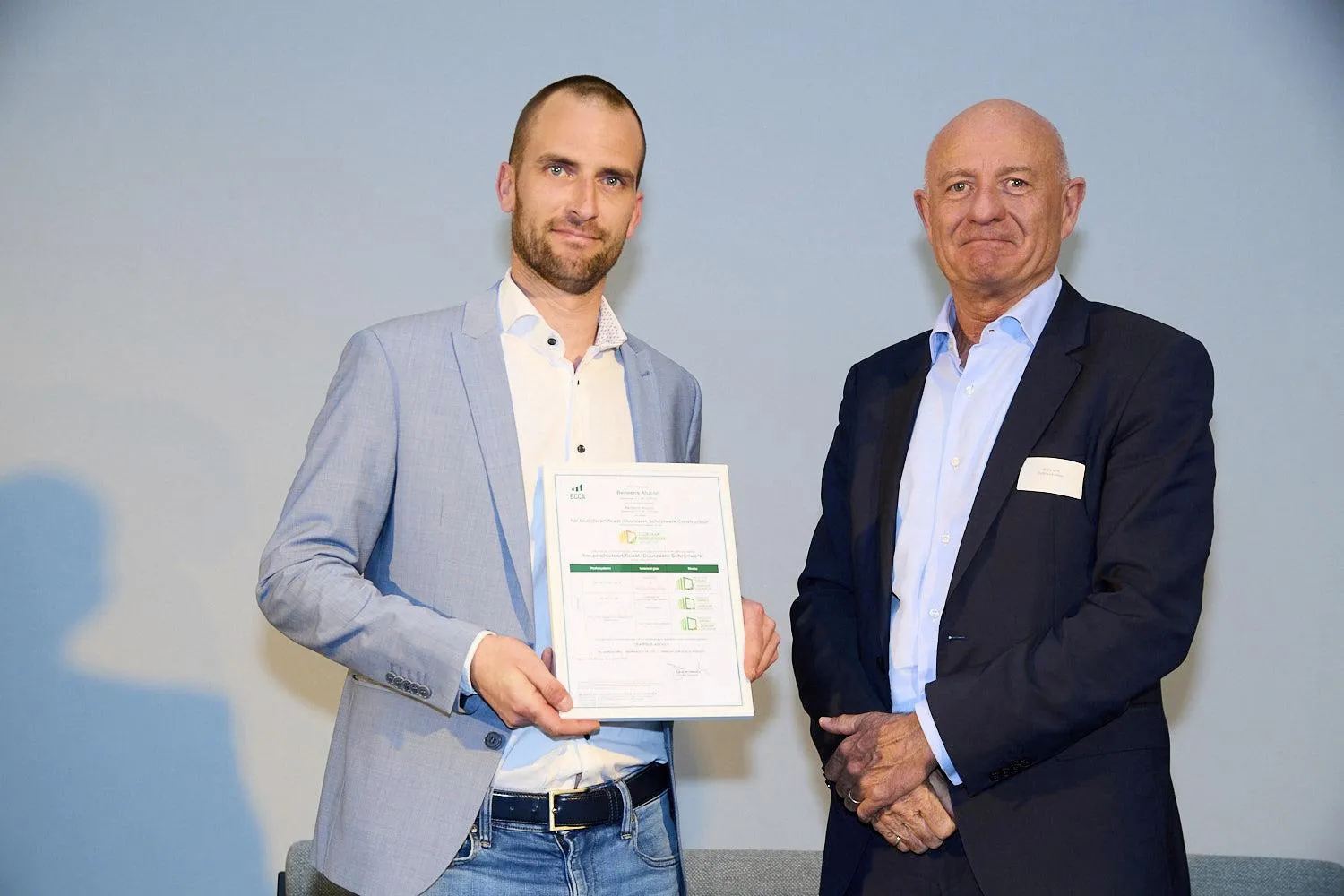
Beneens has noticed that architects and specifiers are increasingly looking for sustainable solutions. “We are regularly asked these days whether we have a sustainability label. We are proud to be one of the first four companies to achieve the Sustainable Joinery label at gold level. What makes the label special is that it assesses the entire supply chain. If the profile supplier and glass supplier also score well, you can be sure you are getting a high-performing, sustainable system.”
“We hope it will encourage architects and investors to make sustainable choices. Public authorities are already moving in the right direction. In Brussels in particular, circular construction principles are increasingly being specified in public tenders.”
Renovation as a model for the future
According to Beneens, aluminium profiles themselves are unlikely to become much more sustainable. “They are already exceptionally high-performing, with a long service life and excellent insulation values. I believe the future lies in extending the service life of existing windows.”
A good example of this was a project for the Sisters of Mary in Leuven. “They asked us to replace the windows, but the profiles were actually still in perfect condition,” Beneens explains. “In the end, we agreed to replace only the glazing, hardware and seals. It was not the most profitable solution for us, but it was the most sustainable.”
Circularity with a sense of realism
“Great strides have been made,” Beneens concludes. “It is now relatively easy to make windows demountable. But we need to strike a balance between circularity and quality. In theory, expanding tapes can be reused, but I doubt that will happen in practice. Completely banning PUR because it cannot be reused is not always realistic. Sometimes it is the only way to build airtight without compromising on quality or ease of installation. Sustainable construction is also a matter of common sense.”
Question about this story? Ask your question
Keep following this
Get an email when a new story is published. No account needed.
- ThemeSustainable and circular timber supply chain
- SubjectGeneral







