











After turnover recovered in the textile, wood and furniture industries in 2021, the crisis returned in 2022
“Belgium’s textile, wood and furniture industries had a fairly good year in 2021, but the outlook is much less rosy,” says Fedustria, the trade association for the textile, wood and furniture industries in Belgium. In 2021, turnover recovered in the textile, wood and furniture industries after a difficult year in 2020 (coronavirus), reaching a total of €10.9 billion (+19.7%). However, around half of the increase in turnover was due to higher raw material prices being passed on.
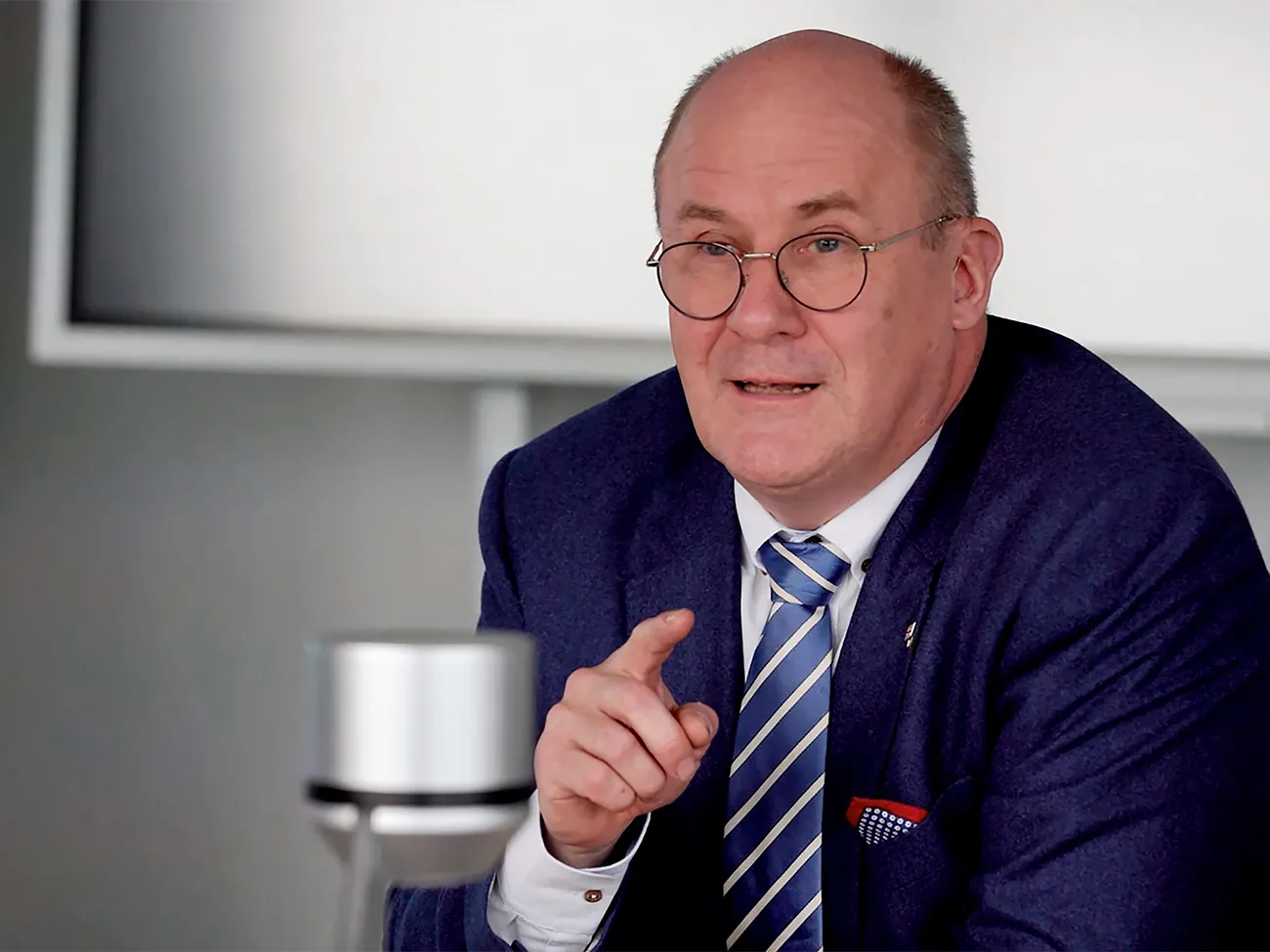
Fa Quix, director-general of Fedustria: “Travel restrictions and the closure of the hospitality sector meant that consumers once again, albeit temporarily and often unexpectedly, focused more on their homes and interiors. This trend began in the summer of 2020 and continued through to the summer of 2021. From autumn 2021, the business climate in the textile, wood and furniture industries deteriorated: the economic recovery was derailed by soaring energy and raw material prices. Then, in spring 2022, Russia invaded Ukraine, causing further disruption to supply chains for raw materials, components and materials. Business and consumer confidence took a serious hit. Consumers are keeping a tight rein on spending and postponing major purchases. Fedustria expects the war in Ukraine, partly as a result of the sanctions imposed by the EU, to put a major brake on production, sales and investment in 2022.”
Protect cost competitiveness
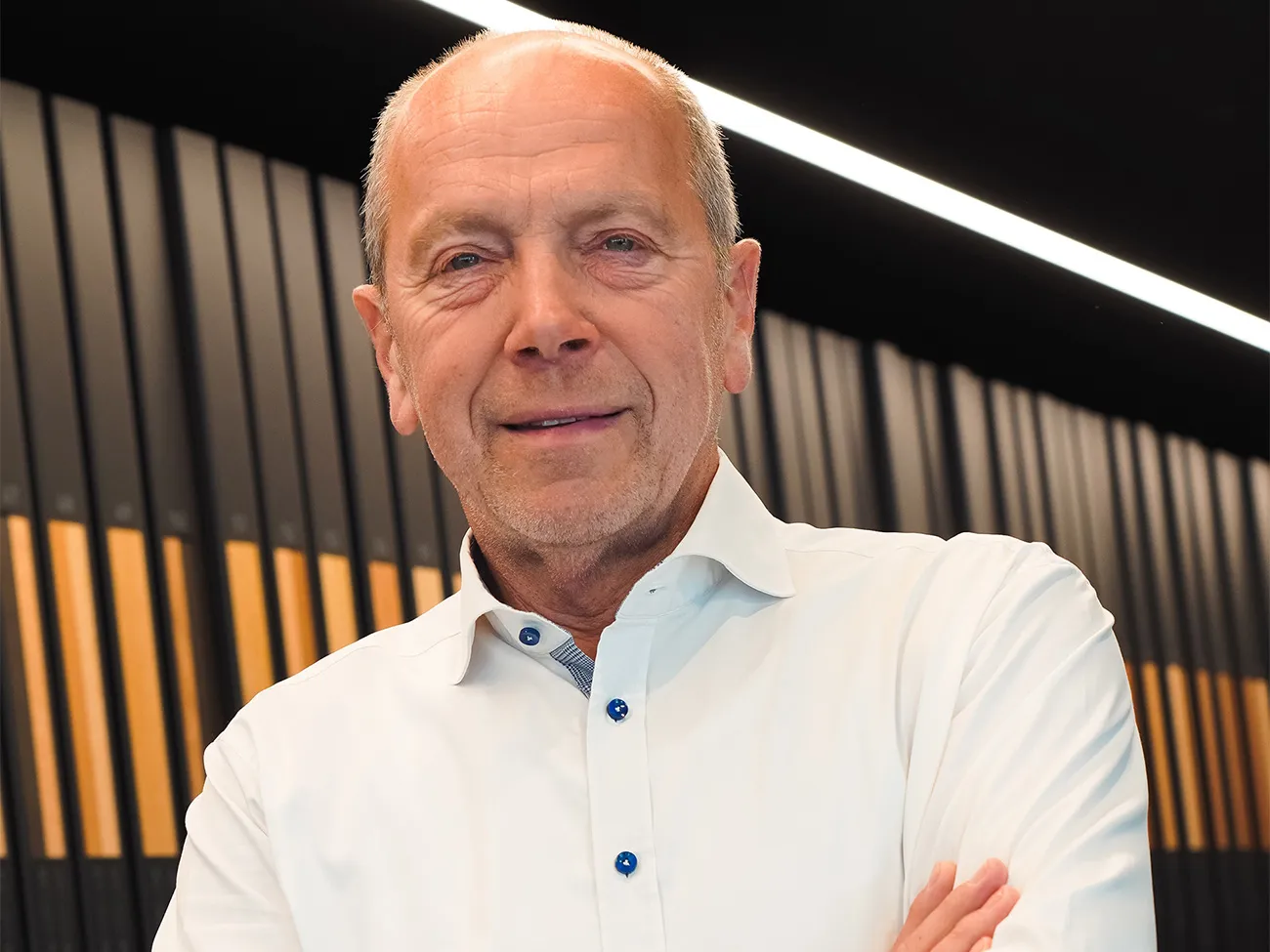
Following its annual General Assembly on Wednesday 4 May 2022 in Meise, Fedustria has reviewed the past year and looked ahead to 2022 and beyond. Outgoing chair Francis Verstraete (Groep Masureel Veredeling) also handed over the baton to Jan Desmet (Decospan), who called for cost competitiveness to be protected: “Sky-high inflation in Belgium is driving up labour costs sharply through the automatic wage indexation system. This is counterproductive: it does not adequately protect purchasing power because the state takes too much in tax, while companies lose profitability and competitiveness. Rising transport costs, shortages of certain raw materials
and other factors are also driving continued
price rises, and we do not know what their ultimate impact will be.”
Fedustria is urging the federal government to introduce an index skip as a matter of urgency, in order to moderate wage cost increases to some extent. The organisation is also calling for a capped index, limited to a fixed amount above a certain wage threshold. Further government measures that would increase companies’ labour costs should be avoided and put on hold at the very least. These include the introduction of an individual right to training and mandatory annual training plans under the recent labour deal.
Energy costs in Belgium are also continuing to soar, not only because of various network costs, taxes and levies, but also because of the sharp rise in gas and electricity prices. Fedustria is calling for a temporary cap on industrial energy prices and temporary crisis support measures, as permitted by the EU.
Temporary unemployment
Companies are facing one external crisis after another. Now that the coronavirus pandemic has subsided, the war in Ukraine is bringing a fresh set of challenges. Some companies have been forced to shut down production lines or even entire sites because high costs have made them unviable, while others are struggling with supply problems. Manufacturers are therefore calling for the flexible temporary unemployment scheme for coronavirus-related force majeure to be extended until at least the end of 2022.
Sanctions deepen the economic crisis in industry
“Russia’s invasion of Ukraine is a heinous crime, which Fedustria condemns in the strongest terms,” it says. “It goes without saying that we must support Ukraine and its people, who have endured so much, as far as possible. But whether yet another EU sanctions package is the best way to do so must be considered critically. Surely sanctions intended for the Russian government should not further weaken our own Western economies?”
Filip De Jaeger, deputy director-general of Fedustria: “We must avoid shooting ourselves in the foot by harming our own manufacturers. Some wood companies, for example, are being hit hard by the European ban on imports of wood and wood products from Russia and Belarus. Wood prices have already been at unprecedented levels for some time, partly because Chinese buyers are purchasing huge quantities of European roundwood, in combination with the conflict in Ukraine. If companies can no longer obtain the raw materials they need to produce, a substantial part of our manufacturing industry and our prosperity are at risk of disappearing. We have nothing to gain from that.” Fedustria is expressly calling for the EU sanctions already imposed, and any further measures under consideration, to be assessed in light of their negative effects on the domestic economy.
Maintain tax incentives for R&D
Belgium ranks among Europe’s leaders in research and development, thanks in part to companies’ substantial R&D efforts. New Fedustria chair Jan Desmet: “Alongside cost control, investment in innovation is equally important for the future of our manufacturing industry.” However, tax support for R&D is increasingly under threat. This is short-sighted policy. Fedustria is therefore calling for the tax incentives underpinning Belgium’s R&D policy to be maintained as far as possible. Outgoing chair Francis Verstraete: “As well as innovating with new products, our companies must also invest in the digital and green transitions. This costs them a great deal of money. R&D support, including from the Regions, is essential and a prerequisite for the continued creation of prosperity in our country.”
Question about this story? Ask your question
Keep following this
Get an email when a new story is published. No account needed.
- SubjectGeneral







