











A new step towards sustainable construction projects
Text Wendy ThijsImage BCCA
Sustainable Joinery 2.0
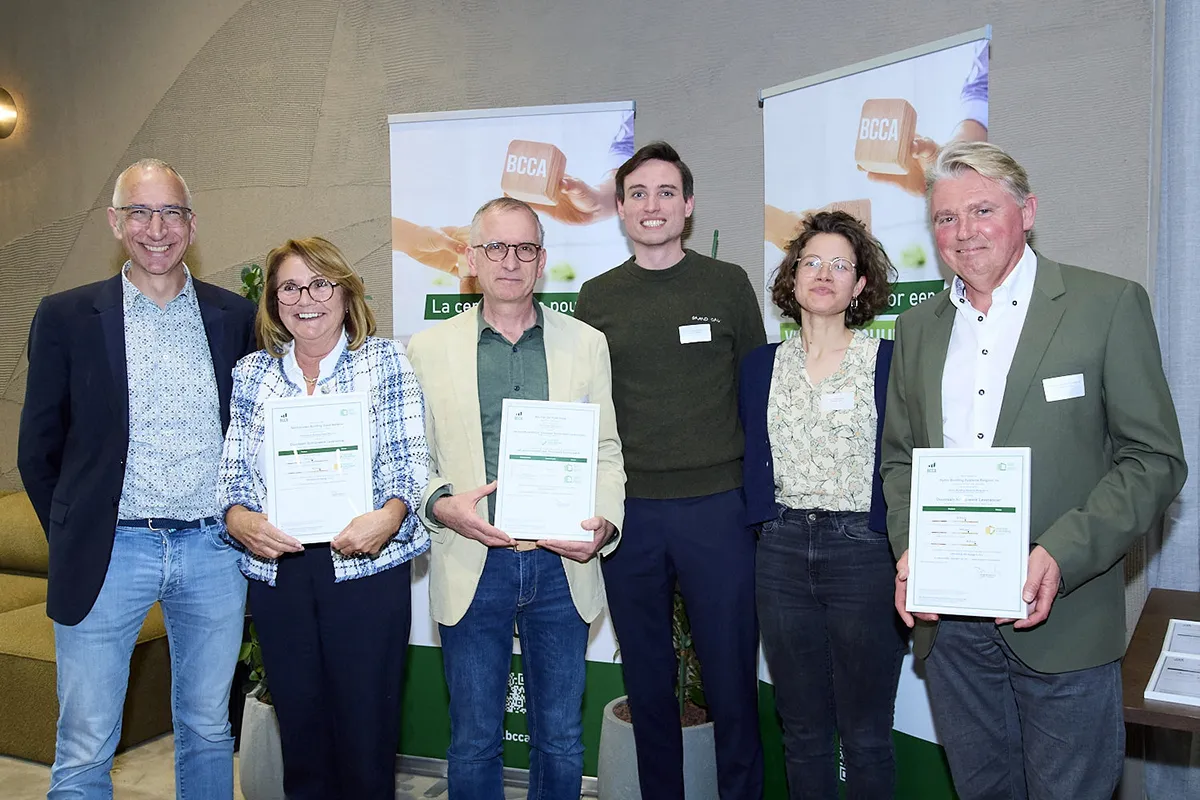
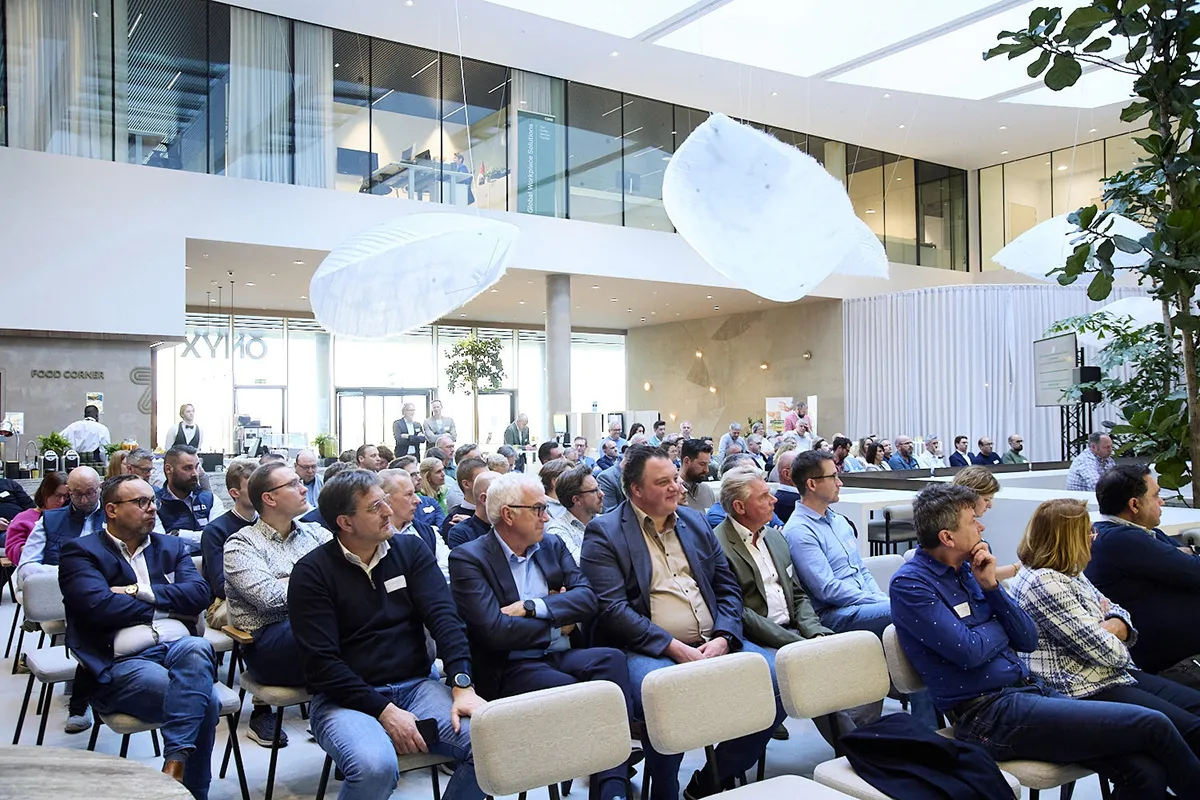
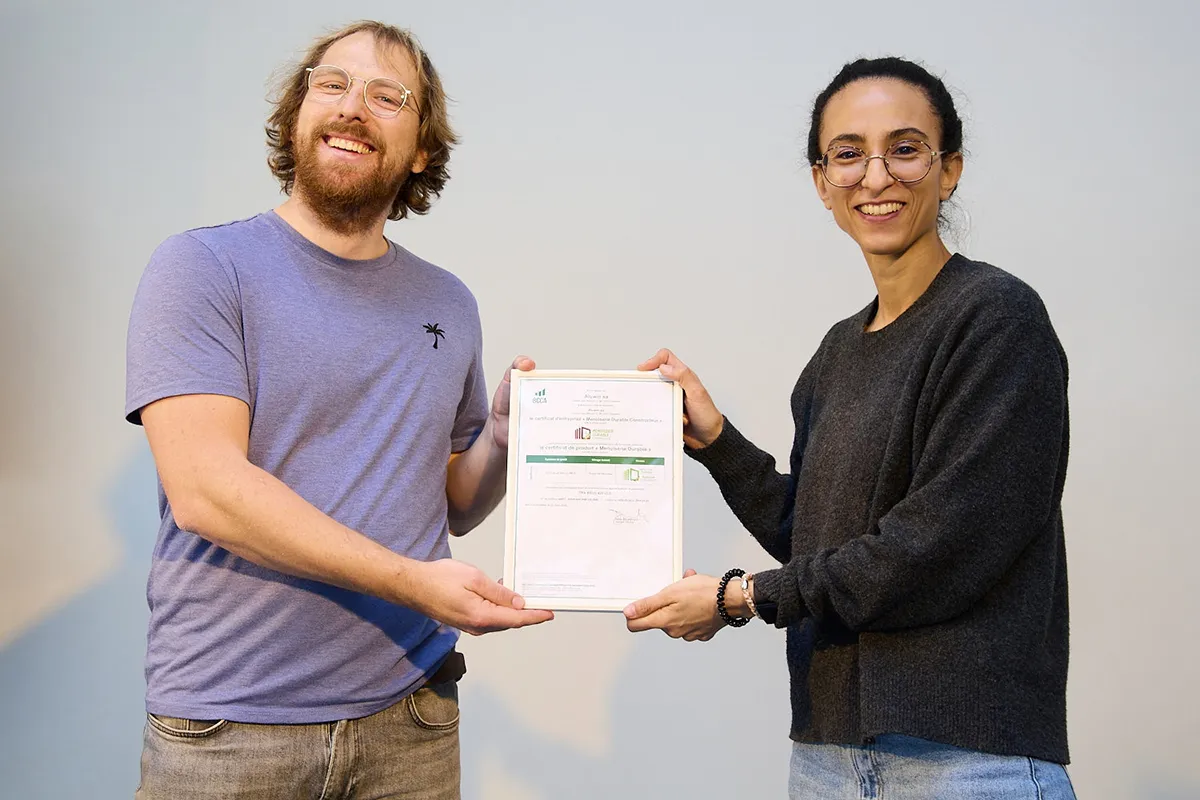
On 27 March, the Belgian Construction Certification Association (BCCA) presented the renewed Sustainable Joinery 2.0 label to the public. It is designed to make the sustainability efforts of businesses in the external joinery sector visible. The first companies to successfully complete the process also received their certificates at the event.
The Belgian Construction Certification Association (BCCA) intends to focus on sustainability just as strongly as it does on quality and safety. “We want to contribute to a future in which sustainable materials and processes are the norm, not the exception,” said Olivier Delbrouck, BCCA’s managing director, at the start of the evening.
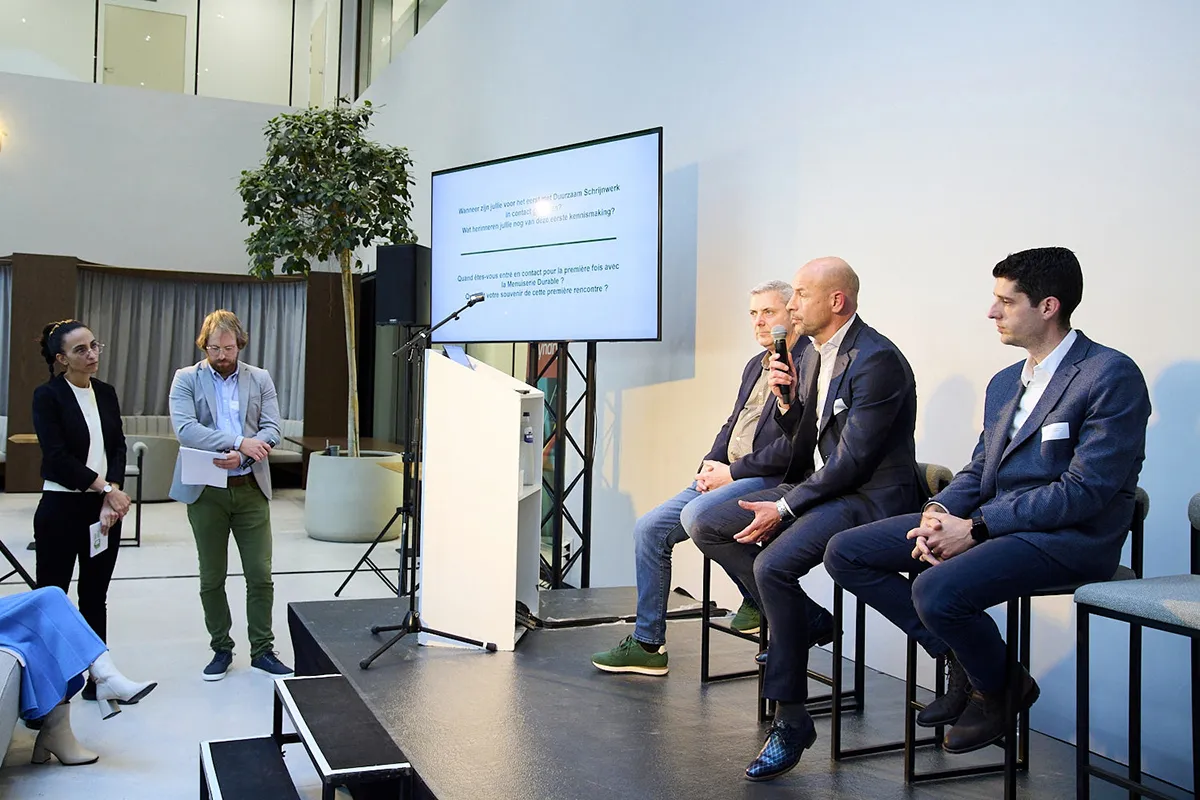
The idea for the label came about in 2017, when Fabribois raised the alarm following a case of unfair competition from a foreign company. For the first time, various stakeholders explored how to make visible the efforts of Belgian companies to comply with standards. At the request of Embuild Wallonia and with the support of the Federation of Aluminium Constructors (FAC), BCCA developed a certification system for sustainable windows, doors and façade systems made of timber, aluminium or PVC.
When the label was launched in 2020, it was primarily a voluntary declaration of commitment. It proved difficult to include it in specifications. Following an extensive consultation process, a new certification system has now been introduced, focusing on an objective assessment of sustainability. It is better suited to conditions on the ground and can be readily included in specifications.
Sustainable lifecycle
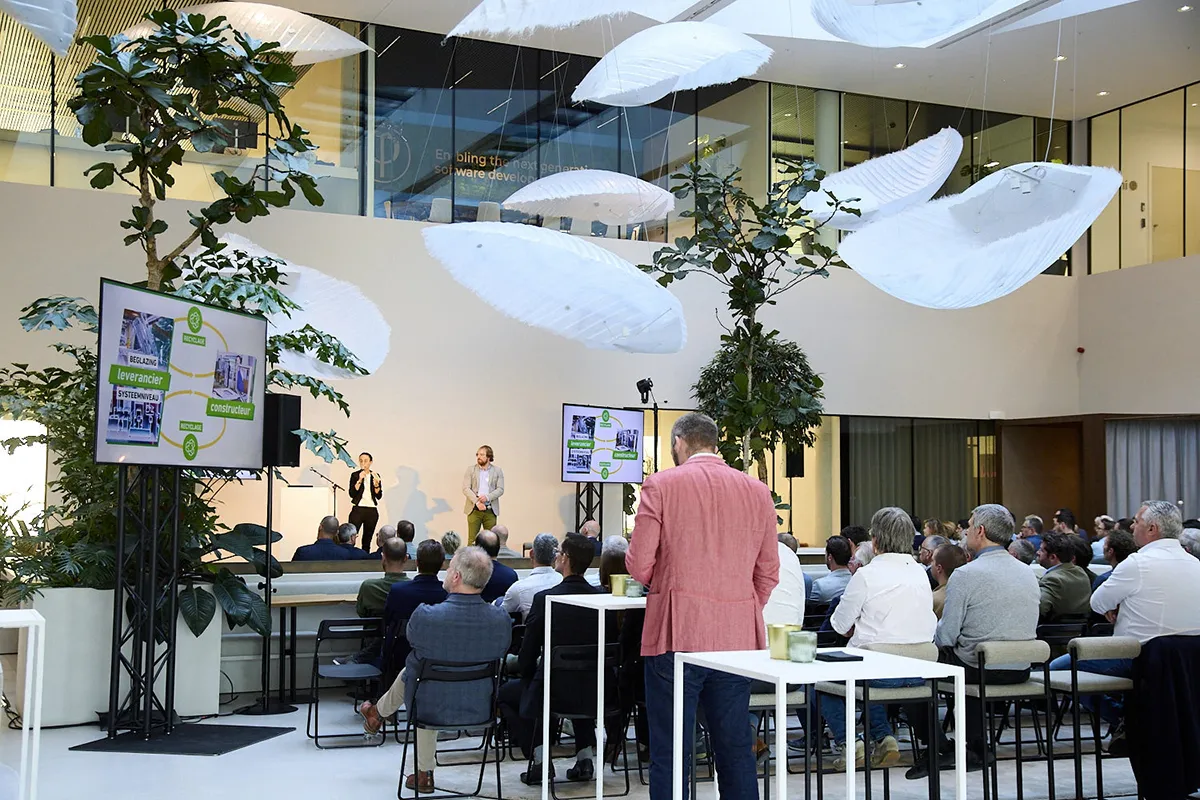
The quality of the joinery comes first, but environmental considerations and social responsibility also play a part. The entire value chain is mapped, from raw material suppliers and the production process through to the finished product. There are therefore three certificates: a product certificate for sustainable products, a company certificate for sustainable production processes, and a supplier certificate for sustainable raw material suppliers.
The sustainability level of a company and its products is determined by its scores against more than 150 criteria. Bronze is an achievable goal, silver requires considerable effort, and gold is reserved for true frontrunners. “This gradual approach is a major advantage for the many SMEs in the sector,” says Luc Mohymont, vice-president of Embuild Wallonia and director of EMAC Belgium. “The first level is achievable even for smaller companies. From there, they can work their way up to silver and gold at their own pace.”
Sustainable pioneer
Gunther Vangeloven, managing director of Baens Afwerkingsbedrijf, was one of the first to earn the label. “We had already been working on sustainability for some time, driven by personal conviction, but we lacked a framework. This certification process gave us practical tools to take further steps.”
“In recent years, sustainability has evolved from a buzzword into something you actually do,” says Joris Verschueren, chair of FAC and co-managing director of Alu Verschueren. “Regulations are becoming increasingly complex. This label provides guidance and highlights your blind spots, helping you meet your targets. That is why we are keen to support it.”
Supporting specifiers
The label now needs to gain wider recognition, particularly among specifiers. “There is a certain level of curiosity in the consumer market, but it often goes no further. In the project market, the label is sometimes included in specifications, but it often disappears again once the budget is discussed,” notes Vangeloven.
“The label should ensure that specifiers take note of companies’ commitment,” says Nadia Barhdadi, auditor at BCCA. “The fact that the Federal Institute for Sustainable Development (FIDO) recognises sustainable joinery in its guide to sustainable procurement is a positive sign,” adds Gerjan Heylen, coordinator of Sustainable Joinery at BCCA. “The label has also been included in the draft text of the Technical Specifications for Residential Construction, the model specification of Wonen in Vlaanderen.”
Curious to know who went home with a gold certificate? Willy Naessens, Thielemans & Co, Beneens Alucon and Ramen Dexters earned gold company and product certificates. Saint-Gobain, Aliplast, Sapa and Schüco received gold supplier certificates.
Question about this story? Ask your question
Companies in this story
Keep following this
Get an email when a new story is published. No account needed.
- SubjectGeneral
- CompanyBCCA vzw







