











10 joinery trends for 2030
Text Professor Nathan Van Den BosscheImage iStock

Everyone is talking about energy, sustainability and circularity. Yet these topics are not on Professor Nathan Van Den Bossche’s list of ten joinery trends for 2030. He teaches building technology and real estate at Universiteit Gent, has carried out extensive research into windows and also holds a joiner’s qualification. So what does he see as potential gamechangers in our sector? Here’s the rundown.
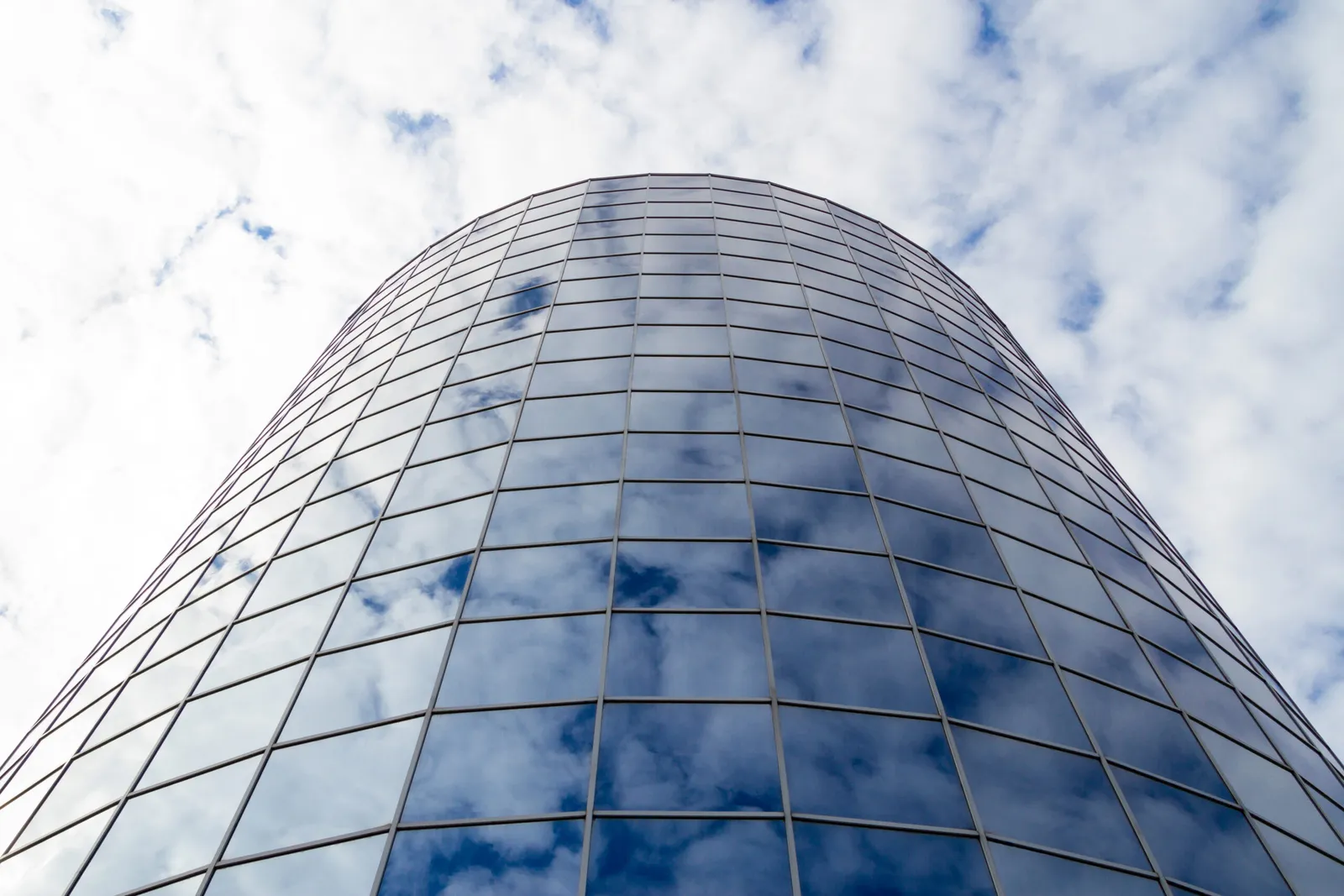
1. Thick glazing
Glass remains the weak point in the building envelope. Quadruple glazing and the use of a film instead of the middle pane have been tried in the past, but neither proved successful. Today, however, the market is moving again. Products with as many as five cavities have already been developed in Poland, the United Kingdom and the US, among other places. These cavities are separated by extremely thin panes of glass: think smartphones. This keeps the weight down while making the glass as high-performing as the rest of the building. Double and triple glazing will remain the norm in the short term, although we also see considerable potential in vacuum glazing and perhaps aerogel in glass. But who knows, thick glazing could prove an unexpected challenger.
2. The glass holds the frame in place
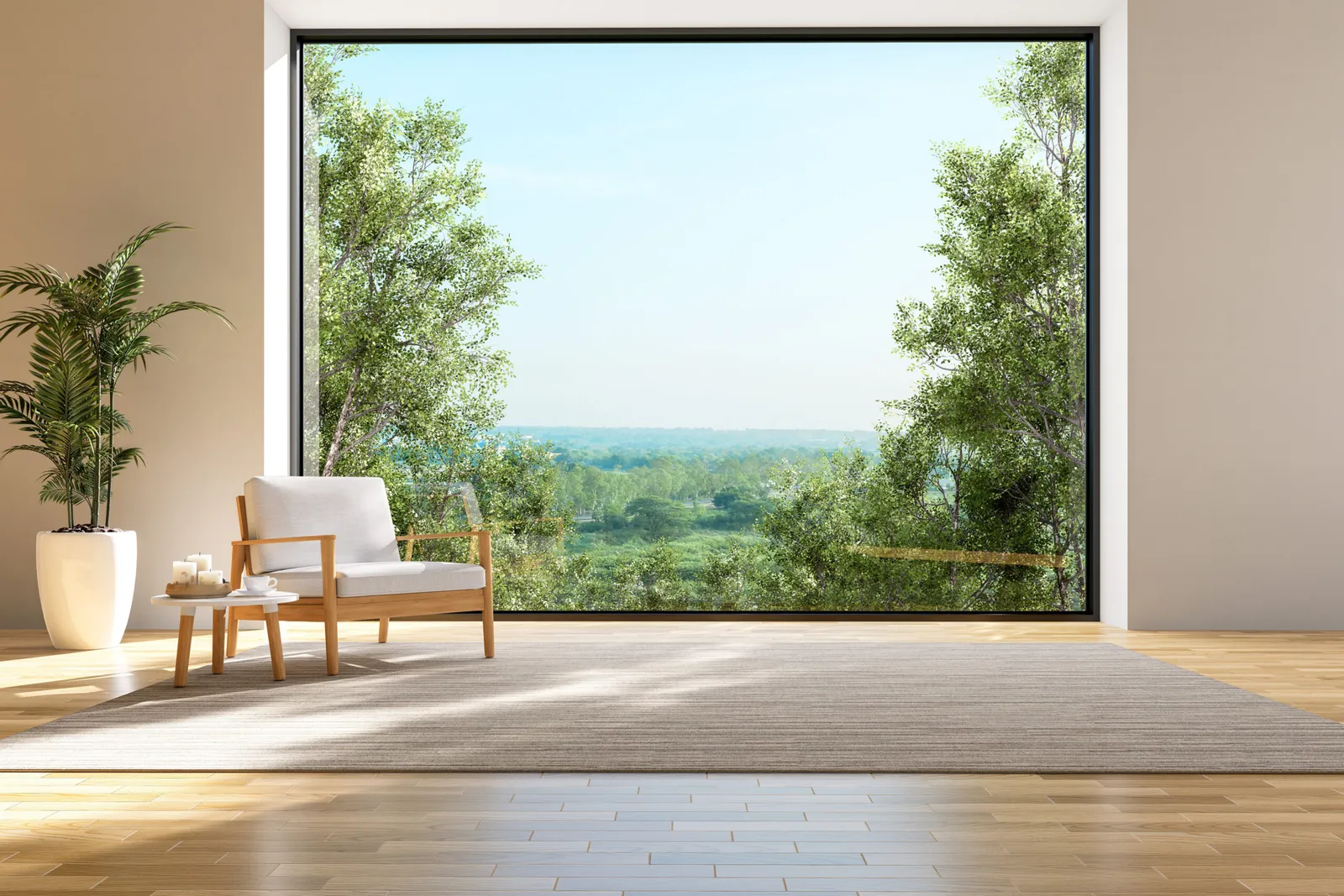
External joinery is subject not only to standards for thermal performance, airtightness and watertightness, but also to limits on deflection. Many people do not realise that these calculations are highly conservative. The calculated deflection is often more than twice what we measure in the laboratory. The calculations are based on numerous conservative assumptions and simplifications, and overlook the fact that the profiles also contain glass. Structural bonding of the glass makes this effect even greater. This means that many window profiles are actually over-engineered. A little headroom is no bad thing, but it also means wasting materials, energy and money.
3. The future is hybrid
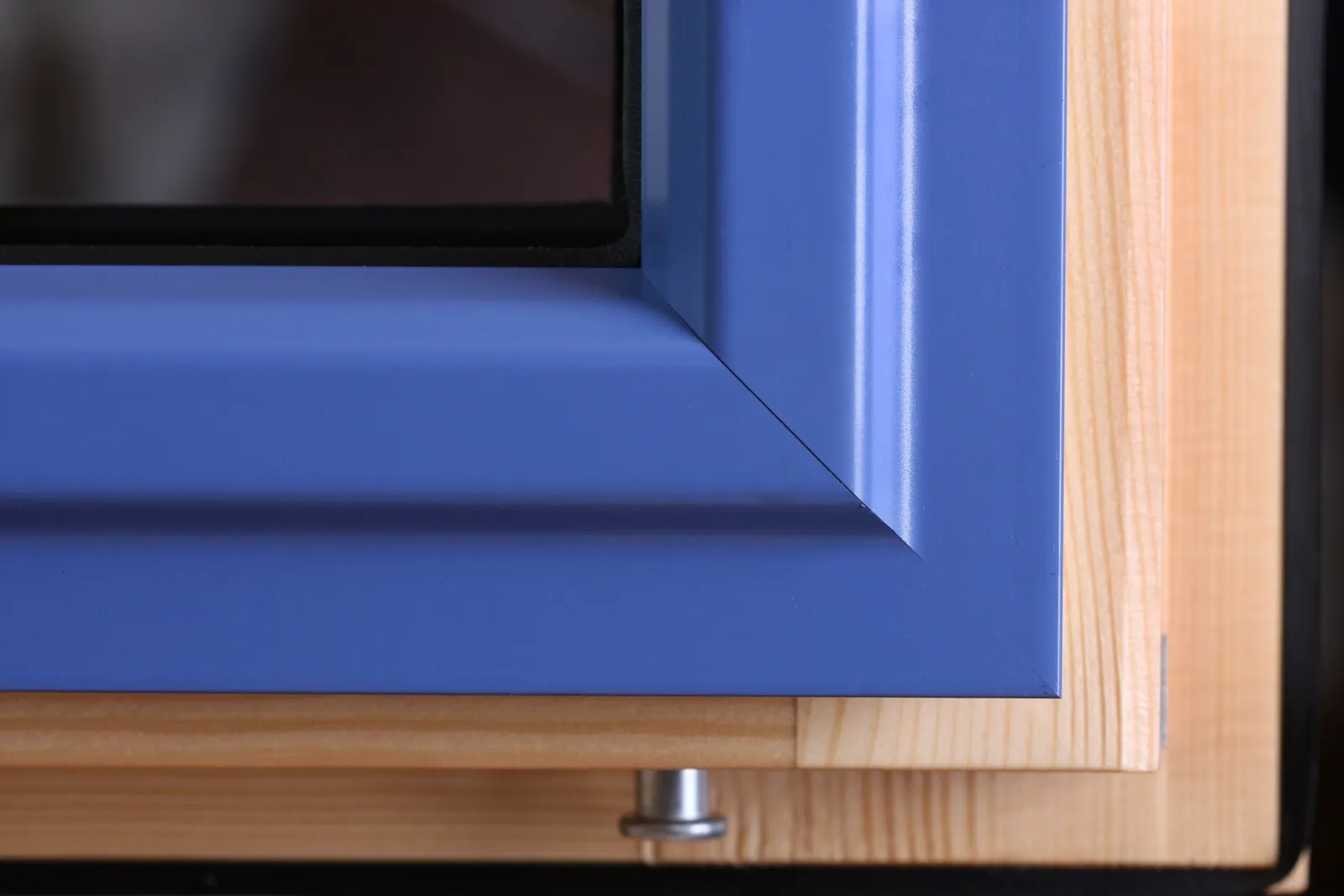
Traditionally, we talk about aluminium, timber and plastic as the three main joinery systems. All three have seen plenty of innovation over the past twenty years, particularly to improve thermal performance. But each system is still based on its own strengths and weaknesses. Why not combine the warmth of timber with the low maintenance of aluminium? Or the design freedom and cost advantage of plastic with the strength of timber or aluminium? Traditional system suppliers are now taking their first tentative steps into hybrid systems, but this is only the beginning. Hybrid systems herald a new generation of external joinery. And it does not stop with traditional materials: when will the first carbon systems appear? And which company will finally succeed in making full use of the potential of plastic foam?
4. Ventilation
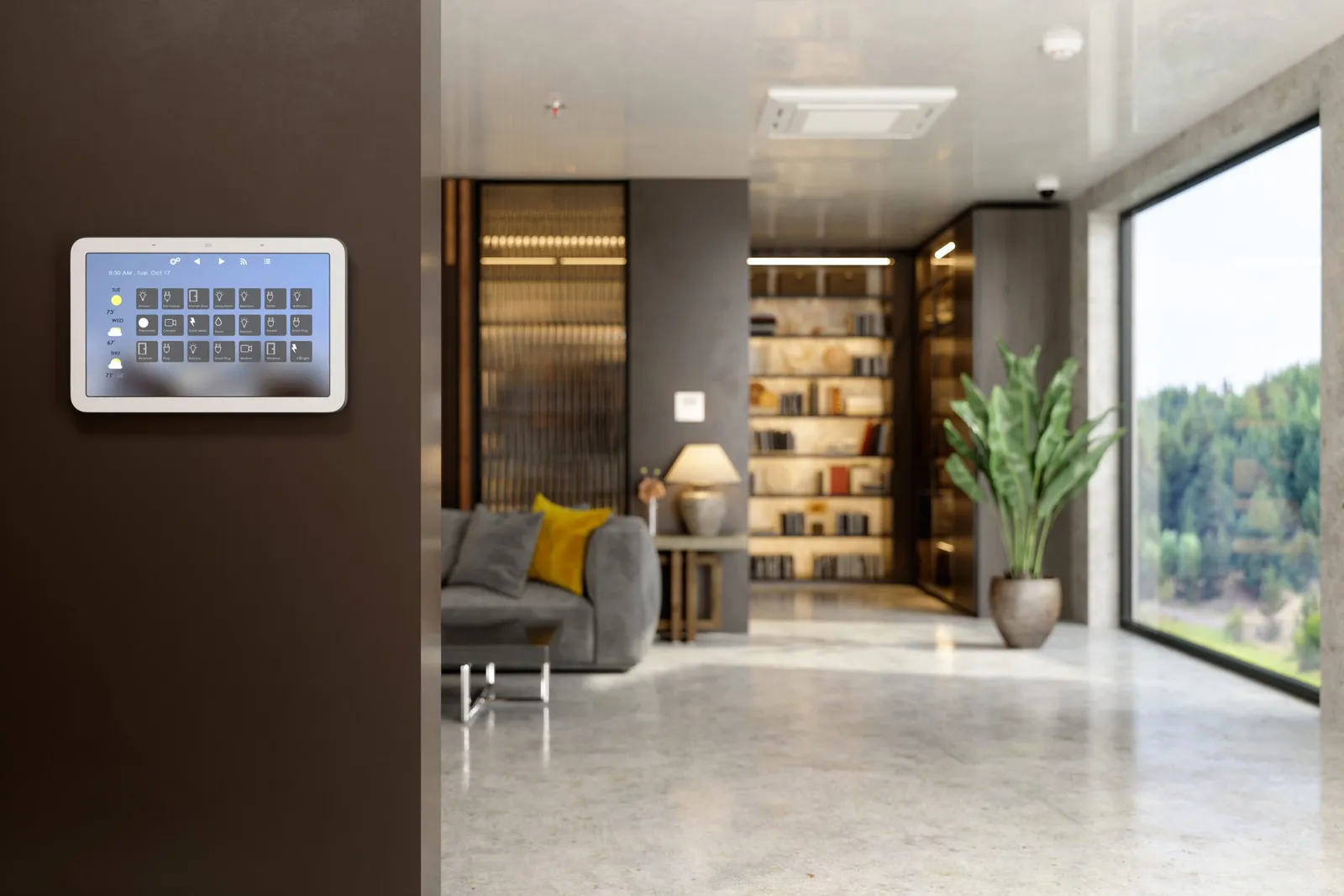
In practice, systems C and D are the most widely used. System C is cheaper, and demand-controlled systems are so efficient that their energy performance comes close to that of system D. In Flanders, it seems self-evident that system C also involves fitting air inlets above the windows. This is not always the case abroad: in some countries, the window itself is enough to serve as an ‘air inlet’. One solution is a special tilt position that leaves a sash ajar to let in a limited amount of air. A more advanced option is a motor that adjusts the window position in response to indoor and outdoor conditions. This also opens up possibilities for intensive ventilation to improve summer comfort.
5. Noise-cancelling windows
The WHO is placing increasing emphasis on noise as a cause of high blood pressure, cardiovascular problems and poor sleep quality. To keep noise out, you need mass (thick, heavy walls) or damping (resilient systems). Joinery has neither. Perhaps, in future, systems could be developed in which special glazing gaskets allow extra deformation, absorbing sound waves. Or, if we dare to think really ambitiously: imagine an electromagnet in the glazing rebate that can make the glass move. That might make it possible to produce anti-noise, just like noise-cancelling headphones. It may sound far-fetched, but who knows, we may hear more about it one day.

6. Revival: prefabricated windows
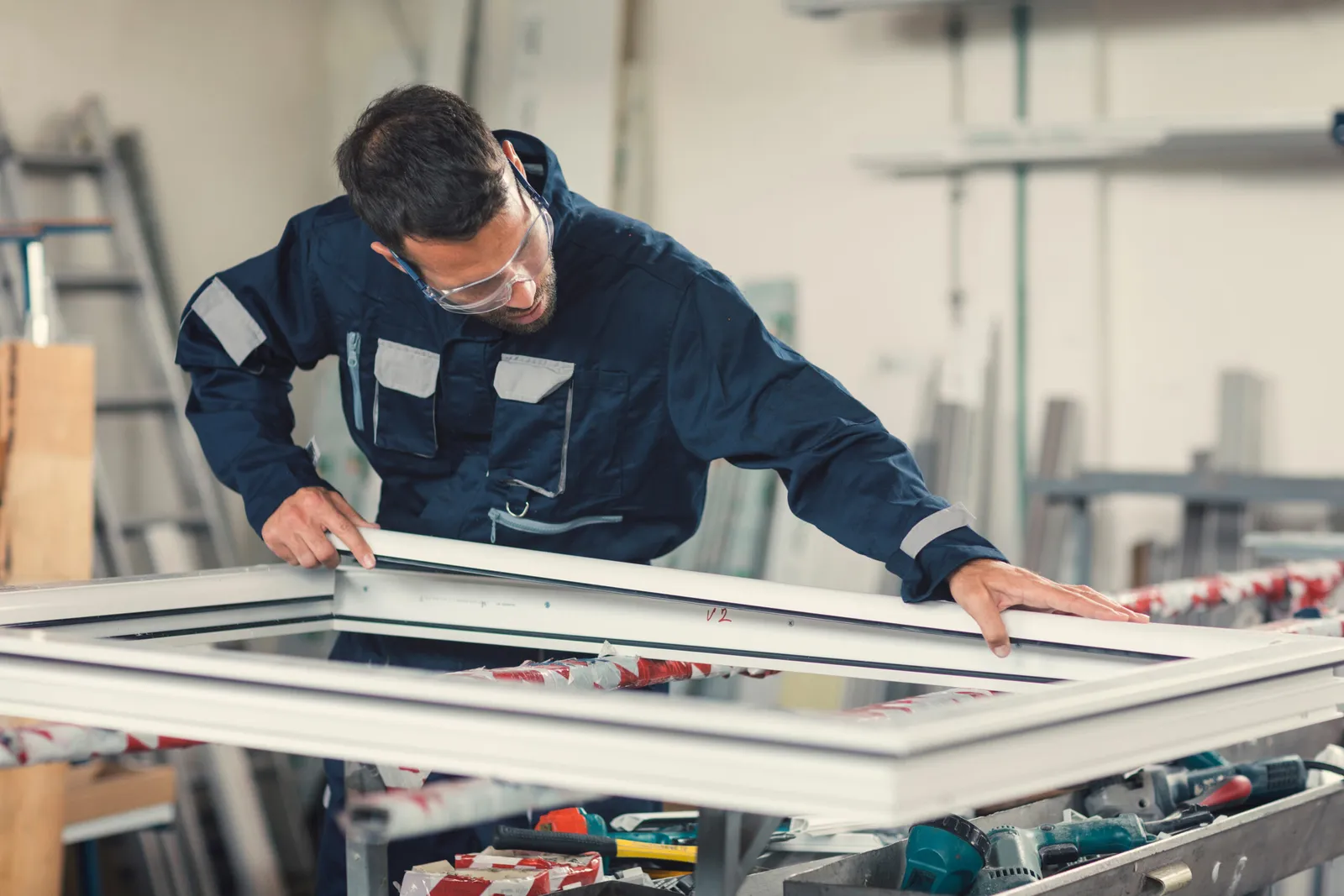
Tell people in the United States that in Flanders, windows are made to measure for every building, and they will stare at you in amazement. We think it is perfectly normal for roof windows not to be made to measure, but expect windows to be. In the US, every major manufacturer has a catalogue of standard sizes, which architects automatically incorporate into their BIM models. The US market is, of course, completely different: so-called cookie-cutter homes are highly standardised, and a factory can churn out up to fifteen homes a day, whereas in Flanders every project is just a little different. But there is no doubt that, in today’s landscape of many small joinery businesses, there are considerable efficiency gains and economies of scale to be made.
7. A career with a future? Glazier
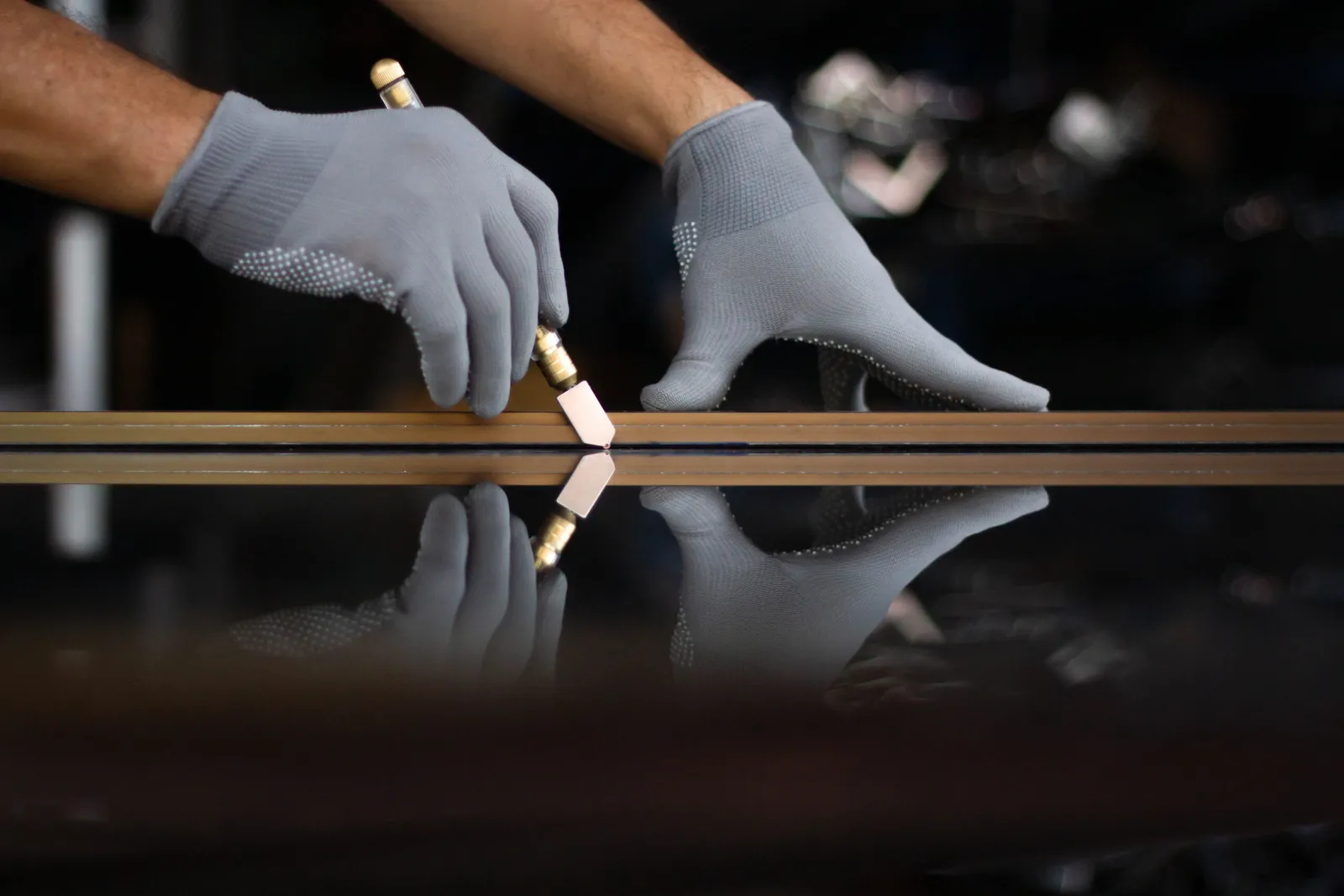
“External joinery is much cheaper than people think.” You rarely hear that from a private homeowner. There is a lot involved: measuring, profiles, seals, hardware, installation, adjustment, aftercare … What is missing from that list? The glass. Glazing is relatively cheap and has the greatest impact on the U-value. Replacing old double glazing costs very little, yet makes a significant difference to energy losses. But it is rarely done. People often wait until the joinery itself needs replacing, or the joiner urges them to replace the whole window at once. If we want to use energy, materials, money and labour efficiently, reglazing is an obvious solution for a great many buildings.
8. Secondary glazing
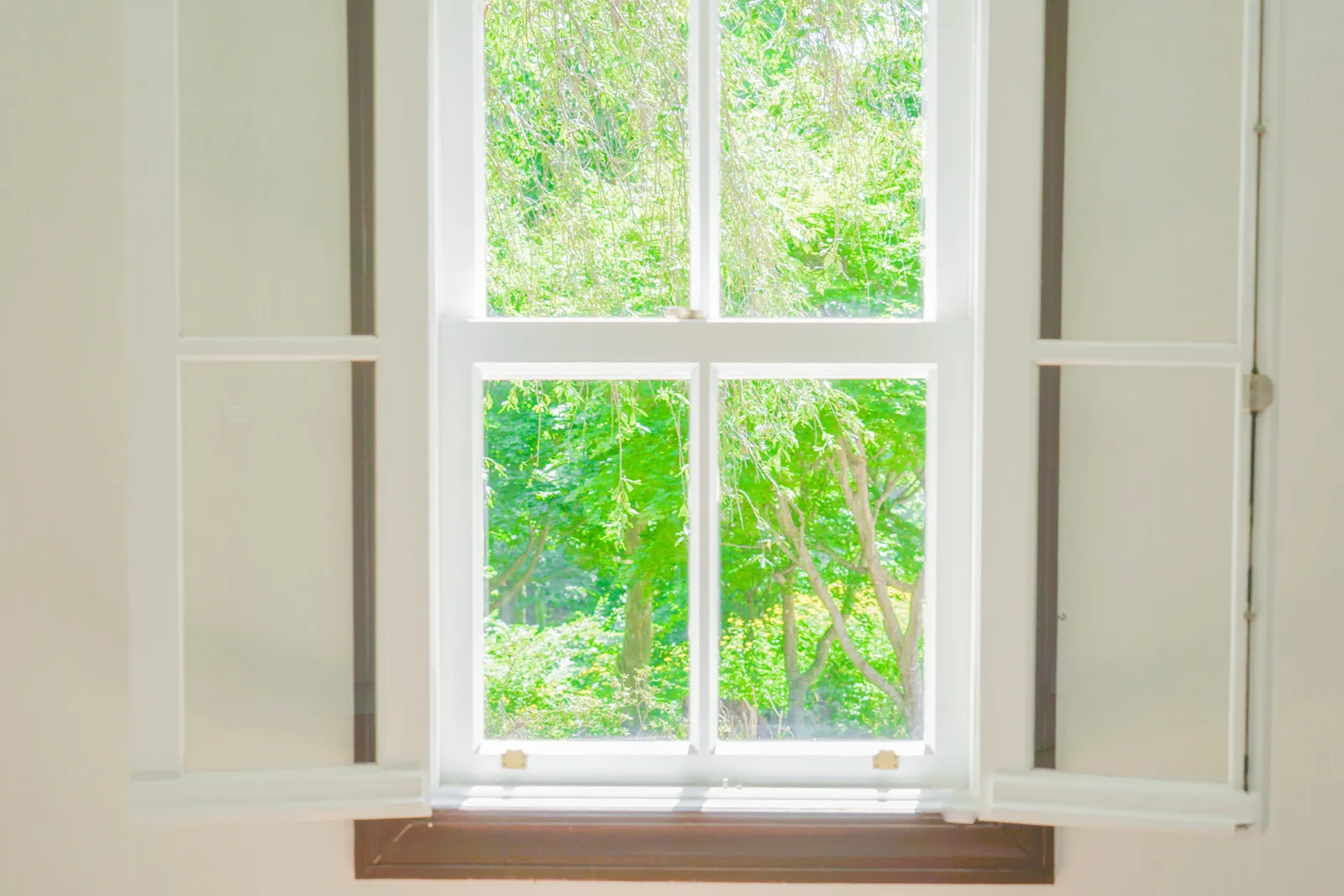
When it rains in Amsterdam, it drips in Brussels. When it comes to online shops, we still have a lot to learn from our northern neighbours. There, websites offering secondary glazing are everywhere, while www.voorzetramen.be in Belgium is still waiting to be filled in. It is a low-cost solution that improves thermal and acoustic performance and can often be installed without extensive cutting and breaking work. The question is not whether this will become more important, but when.
9. No more measuring
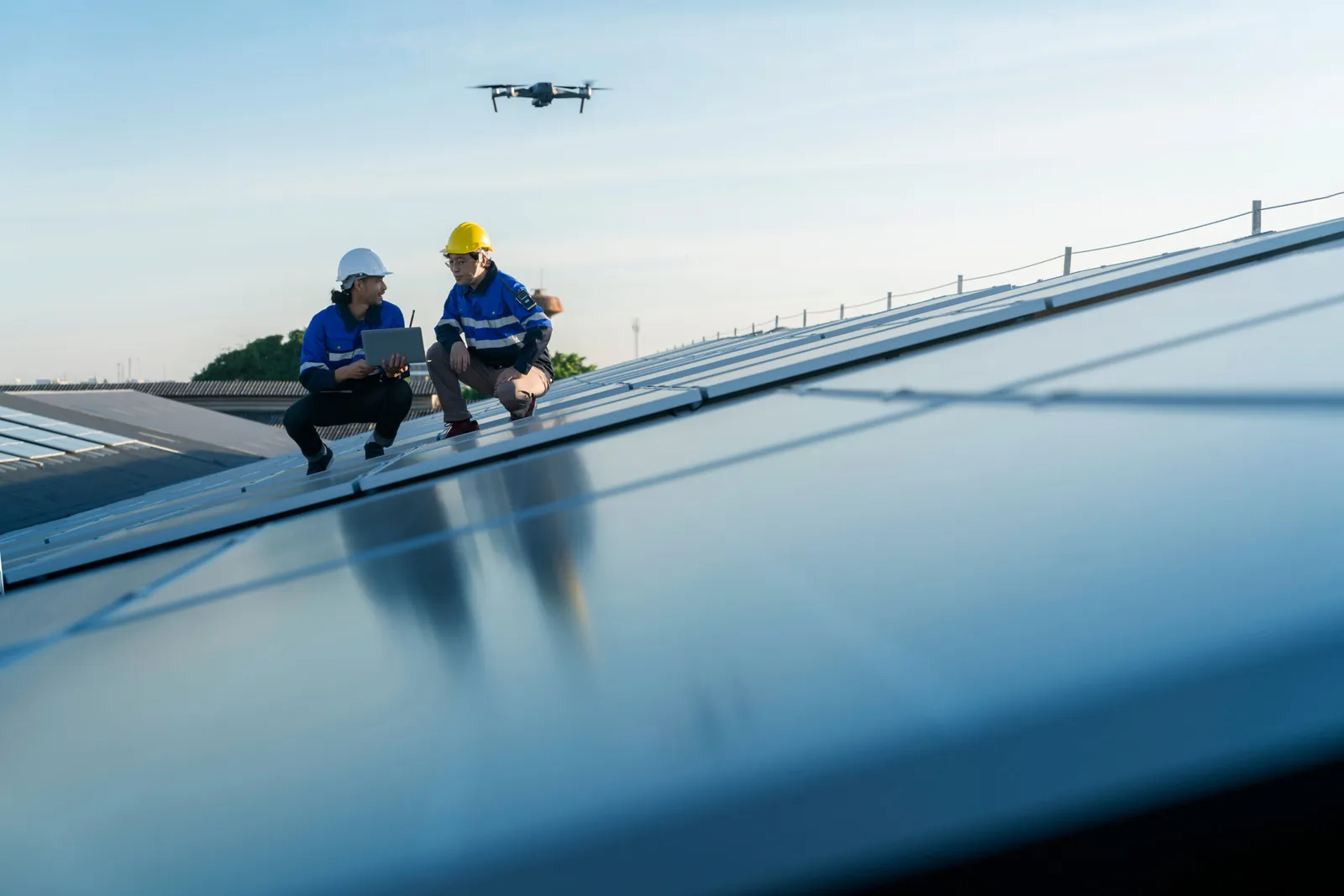
At Universiteit Gent, we are investing heavily in drone research. All you need to create a complete and accurate 3D model of an existing building is a €1,000 drone and (very) good IT skills. Image processing and AI are revolutionising every sector, and construction is no exception. Today, you can get a Ray-Ban Meta glasses with a built-in 12MP camera for just €300. Soon, simply looking at the windows will be enough to take measurements. Or homeowners could do it themselves with a smartphone and receive a quote automatically.
10. Consolidation
More than fifty per cent of all windows installed in Belgium come from abroad. Energy prices, labour costs and legislation create specific challenges here, which can only be offset by increased productivity: automated measuring, production automation and outsourcing engineering. This, however, requires considerable investment, growth in scale, supply chain integration and digitalisation. We might therefore expect a break with current trends, with larger players pursuing consolidation and focusing mainly on commodity products, while small joinery businesses specialise in heritage buildings, the premium segment and repairs. Only time will tell …
Question about this story? Ask your question
Keep following this
Get an email when a new story is published. No account needed.
- SubjectGeneral







