Cork: the sublime power of nature
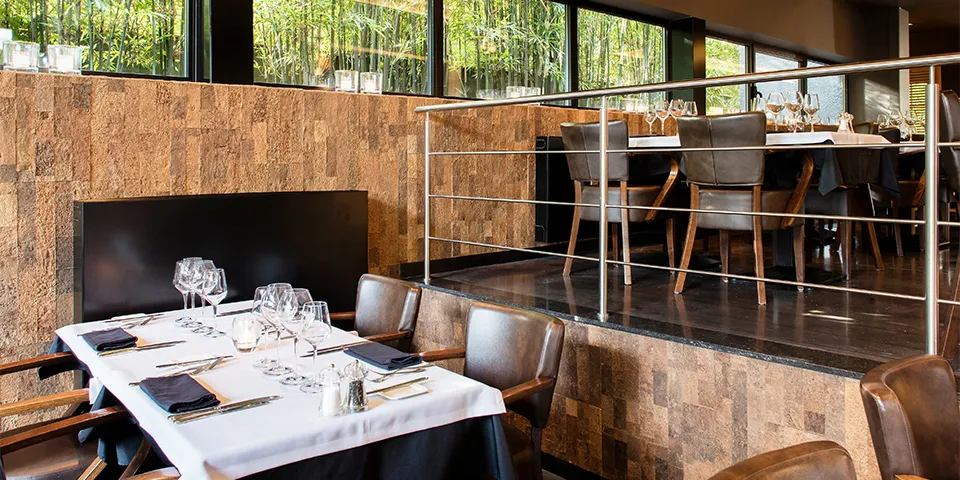
Cork is pure nature: an exceptionally eco-friendly, warm material. Thanks to new technologies, it also offers many more possibilities. Think wood and natural stone patterns, or a concrete look. Dedicated wood lovers and interior architects are taken with this natural product and its many applications.
Hard-wearing flooring
The days when cork flooring was still a surprising novelty are long gone. Traditionally, cork flooring could be cut, bevelled and painted as desired, resulting in thousands of possible combinations. Now, the latest technological developments have given this unrivalled natural product a completely new look.
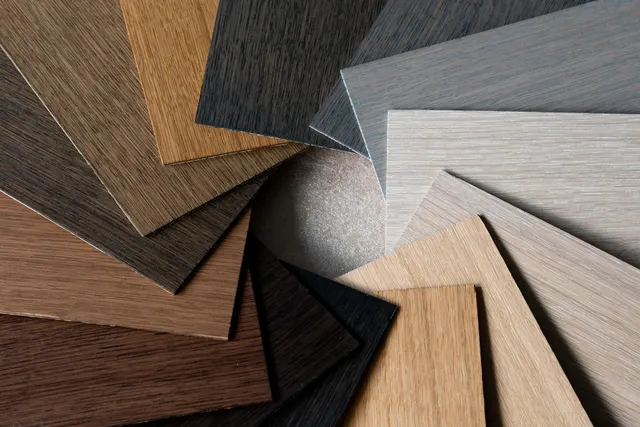
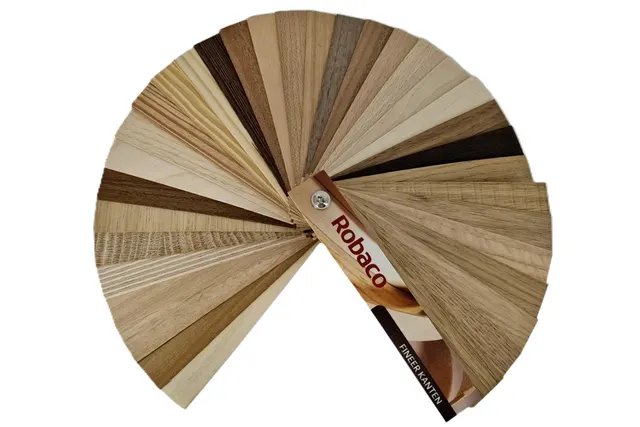
Like many materials, cork can also be digitally printed. This makes it possible to apply a range of wood and natural stone patterns, as well as concrete effects, to the cork layer before finishing the floorboards with several coats of hard-wearing varnish. Thanks to the latest technological developments, this unrivalled natural product now has a completely new look.
This technique makes it easy to create a floor that feels exceptionally comfortable underfoot and offers excellent acoustic damping, one that people naturally mistake for stylish wood parquet, an authentic plank floor, real natural stone flooring or even a polished concrete finish. New printing techniques with resolutions of more than 1,000 dpi now allow us to offer new prints with unprecedented definition and clarity.
Easy installation
Naturally, these ready-to-install cork floors can be laid either as a floating floor with a click system or as a glued-down floor. This is particularly appealing to DIY installers. As the same technology can also be used on cork tiles that are glued down, they can also be installed in bathrooms and other damp areas. The minimal build-up height of glued-down cork is also an advantage in renovation projects, where the available build-up height is often very limited. Glued-down cork does not require an expansion joint, so it can be laid continuously across an entire floor, right up to stair treads, balustrades and thresholds.
The latest generation of digitally printed cork floors can even feature a texture reminiscent of brushed wood planks. This tactile quality is enough to win over even the most devoted real-wood enthusiast.
Effective wall insulation
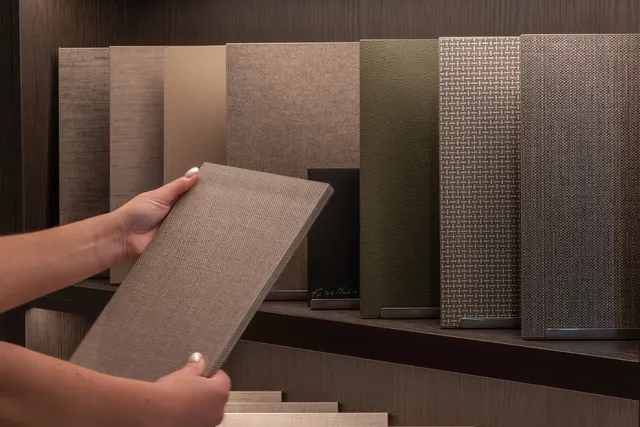
Demand for cork wall coverings has risen sharply in recent years. This is mainly due to the wider choice of patterns and colours, combined with the product’s excellent thermal and acoustic properties. In other words, cork brings plenty of character and visual appeal. It also dampens sound and helps keep out the cold.
The covering’s long service life is another factor, making it particularly suitable for hard-to-reach places. Cork comes from the bark of the cork oak. Once the tree is 25 years old, its bark is harvested by hand every nine to ten years without harming the tree. The bark then grows back, making cork an eco-friendly product that does not deplete the environment.
The bark is first processed according to a specific procedure, then ground, and the granules are compressed to a set density. Cork tiles usually consist of two parts. The base is made from compressed ground granules and determines the quality of the cork tile. A veneer layer is glued on top, contributing to the tile’s appearance.
Rustic, warm patterns
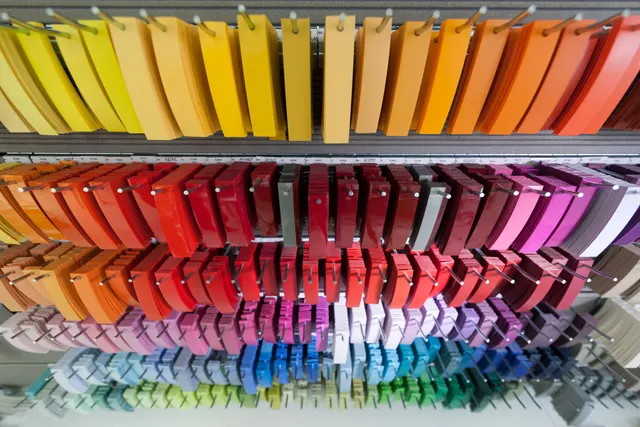
Wall tiles are usually 3 millimetres thick and, like floor tiles, can be painted in a range of colours. Cork is glued to a flat, stable and permanently dry surface. The adhesive must be applied to both the cork and the surface. In damp areas, the tiles must be thoroughly varnished after installation to seal the joints between them.
Natural cork and solid cork bark are also firmly back in fashion. More and more interior architects are choosing cork’s original look for their interiors. Its rustic patterns create an attractive contrast with other building materials and work perfectly in any room. A cork wall also has a characteristically warm and welcoming appearance. It can be maintained with a duster or, if the wall has been sufficiently varnished, a damp cloth.
Question about this story? Ask your question
Keep following this
Get an email when a new story is published. No account needed.
- ThemeInterior comfort and aesthetics
- SubjectFinishing